
Eurosparx

Categories
Auto Electrical

Things to Know Before Installing an Inverter in Your Vehicle

Installing an inverter in your vehicle is a smart upgrade if you’re looking to power electronic devices, tools, or other appliances while on the go. Whether you’re planning a road trip, working out of your vehicle, or need a robust power solution for emergencies, there are several critical factors you need to consider before making this investment. In this article, we’ll cover everything you need to know before installing an inverter in your vehicle, specifically focused on New Zealand conditions and requirements.

Choosing the Right Inverter for Your Vehicle

Understand Your Power Requirements

Before you select an inverter, it’s important to determine exactly what devices or appliances you plan to run from the inverter. Inverters are available in different output capacities—measured in watts—and choosing the correct size depends on the combined power draw of all devices. For example, if you want to power a laptop (60W), a microwave (1000W), and a phone charger (10W), you’ll need an inverter with a minimum capacity of 1100W. It’s advisable to add a surplus margin of 20-30% to handle power surges common with appliances like kettles or refrigerators.

Pure Sine Wave vs Modified Sine Wave Inverters

When buying an inverter, you’ll encounter two main types: pure sine wave and modified sine wave. Pure sine wave inverters provide clean and stable power, similar to what you get from a household outlet. This type is suitable for sensitive electronics like laptops, medical devices, or audio equipment. Modified sine wave inverters are less expensive but may cause problems or inefficiencies with certain appliances. Depending on your usage—in particular if you’re in a professional trade or have specific power-sensitive needs—a pure sine wave inverter is often worth the investment for vehicles in New Zealand.

Installation Considerations for Vehicle Inverters

Assess Your Vehicle’s Electrical System

Not all vehicles are ready to handle the power load from an inverter, especially high-capacity units. You’ll need to examine your vehicle’s battery capacity and alternator output. In some cases, a dual-battery system might be necessary to prevent draining your primary starter battery. This is particularly relevant if you plan to run devices while the engine is off. In New Zealand’s colder climates, battery health is critical—installing an inverter without understanding drain risks could leave you stranded with a dead battery.

Wiring and Placement

Proper wiring is crucial for safety and performance. An inverter must be installed using adequately rated cables, fuses, and circuit protection to prevent overheating or fire hazards. The inverter’s location in the vehicle should also ensure proper ventilation, easy access, and moisture protection. It’s common practice in New Zealand tradesmen’s vehicles to mount inverters in sheltered compartments with airflow gaps. Incorrect installation can lead to overheating or electrical short circuits.

Hire a Professional Auto Electrician

Because of the risks involved with incorrect installation, it’s always recommended to have a qualified auto electrician handle the inverter setup. In New Zealand, professionals like Eurosparx can ensure all connections comply with local standards and won’t void your vehicle’s insurance or warranty. They will also test the system after installation, giving you peace of mind that everything is functioning safely.

Legal and Compliance Considerations in New Zealand

Vehicle Modifications and Certification

Adding an inverter may constitute a modification under New Zealand Transport Agency guidelines. If the setup affects your vehicle’s structure or introduces complex wiring changes, Vehicle Inspection Requirements may apply. In some cases, a Low Volume Vehicle (LVV) certification might be needed. Failing to meet these guidelines could affect your vehicle’s warrant of fitness (WoF) status or reflect poorly during an inspection.

Insurance and Mains Power Safety

When adding high-powered electrical equipment, it’s important to inform your vehicle insurer. Non-disclosure of modifications can lead to rejected claims. Furthermore, connecting to mains power—for example, recharging an auxiliary battery via shore power—must comply with AS/NZS electrical standards. Professional installation protects against these risks and ensures that your vehicle setup is not in breach of any safety or insurance guidelines.

Battery Management and Inverter Usage Tips

Battery Type and Health

Vehicle inverters draw their power from the battery system. Deep-cycle AGM or lithium batteries are preferred over traditional lead-acid types due to better discharge and recharge capabilities. Regular monitoring of battery health is important—especially in colder parts of New Zealand where performance can degrade faster. Make sure your battery is in good condition and has enough capacity to support both startup and continuous loads of the devices you intend to use.

Smart Charging Solutions

Modern vehicles can use DC-DC chargers or solar panels to maintain battery life when using an inverter. If you expect to use your inverter often, consider adding an advanced charging solution to your vehicle. These systems will keep your batteries topped up, extending the life of both the inverter and your power supply. Integrating solar is especially popular in New Zealand among campers and those travelling to remote areas with limited access to mains power.

Low Voltage Disconnects and Alarms

Some inverters include features like low voltage disconnects, which automatically shut down the inverter if battery voltage gets too low. This helps prevent unnecessary battery drain that could leave your vehicle unable to start. Alarms or display panels that monitor voltage and consumption are also useful. They provide real-time updates, helping you manage your power consumption more effectively—particularly helpful during longer trips or when using multiple devices simultaneously.

Cost Considerations and Long-Term Benefits

Initial Investment and Total Cost

The upfront cost of an inverter installation in New Zealand can vary based on the inverter size and complexity of installation. A basic setup might range from $300-$800, while a fully integrated system with dual-battery management and solar charging could exceed $2000. It’s crucial to view this not just as a purchase but as a long-term solution offering utility and convenience in many scenarios—from job sites to road trips to emergency preparedness.

Increased Vehicle Versatility

Having an inverter dramatically increases your vehicle’s usability. Tradespeople can power tools on-site, travellers can charge devices overnight, and families can run small appliances on the go. With properly installed systems, there’s minimal disruption to factory systems, making it a safe and sustainable upgrade. In contexts like outdoor camping or disaster preparedness—common concerns in various parts of New Zealand—having an onboard power source is a major asset.

Need Help Installing an Inverter in Your Vehicle?

Installing an inverter in your vehicle opens up a world of convenience, but only when done correctly. With the many technical, safety, and legal factors to think about, professional installation is the best way to ensure you get a reliable setup. As expert auto electricians in New Zealand, we at Eurosparx can help you select and install the right inverter for your needs. Contact our team today by calling 09 218 7789.
Categories
Auto Electrical

Why Your Indicator Is Blinking Fast — What It Means and How to Fix It

When your vehicle’s indicator starts blinking faster than usual, it’s a clear signal that something isn’t quite right. This article explains what a fast-blinking indicator means, why it’s happening, and what you can do to fix it. Whether you’re dealing with a burnt-out bulb or a deeper electrical issue, we’ll guide you through identifying and resolving the problem efficiently—especially relevant for drivers here in New Zealand.

What Does a Fast-Blinking Indicator Mean?

Typical Causes of Rapid Indicator Blinking

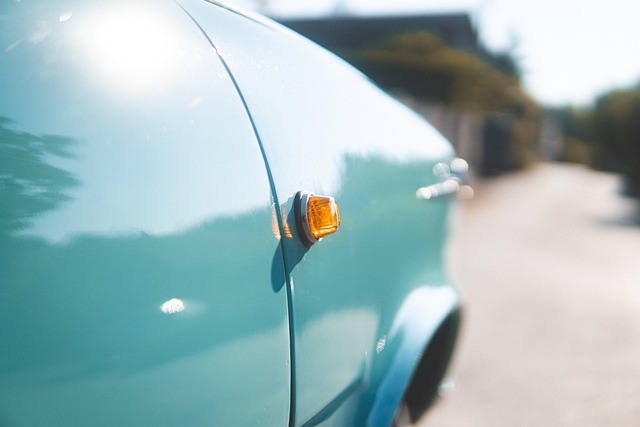
The most common cause of a fast-blinking indicator is a blown or non-functional bulb in the indicator circuit. Vehicles are designed to blink quicker when one of the bulbs—either at the front or rear—fails. This increased speed serves as a warning to the driver that one of the turning lights isn’t functioning as it should. In most cases, replacing the faulty bulb will restore normal blink speed.

Another possible cause for rapid blinking is the use of aftermarket LED indicator bulbs without the proper resistor or relay fitted. LEDs draw less current than traditional halogen bulbs, which can confuse the vehicle’s flasher relay and cause hyper-flashing. This is a common issue for New Zealand drivers who have upgraded their lights for style, performance, or energy efficiency without adjusting other components accordingly.

Why Vehicles Are Designed to Respond This Way

Fast-blinking indicators are part of your car’s built-in fault detection system. Modern electrical systems in vehicles include feedback loops that can detect changes in current, which is why a missing or malfunctioning bulb causes the blink pattern to change. This alert system helps ensure that your vehicle remains safe on the road by maintaining visibility to other drivers when you’re turning or changing lanes.

This design feature benefits New Zealand road users by promoting safety and alerting drivers to maintenance needs without requiring them to perform complicated diagnostics.

How to Diagnose a Fast Blinking Indicator

Step-by-Step Bulb Inspection

Begin by turning on the indicator for the side that is blinking fast. Step out of the vehicle and visually inspect both the front and rear indicators. If either bulb is not illuminated or appears significantly dimmer, you’ve likely found the culprit. It’s best to inspect during daylight with the car parked safely and engine off to avoid any distractions or safety issues.

If all the bulbs are functional and none are visibly broken, then the issue may involve corroded bulb sockets or loose wiring. This often occurs in coastal New Zealand regions where sea air contributes to faster corrosion of electrical components.

Check the Type of Bulbs Installed

If you’ve recently changed your indicator bulbs to LED versions, check that your vehicle’s flasher relay is compatible or that resistors were installed. Without these, your wiring system will sense a significant drop in current and trigger the fast blinking as if a bulb were missing.

This is often the case with online bulb purchases that promise quick installation but overlook the technical requirements for LED compatibility in New Zealand vehicles, many of which are imported from Japan with different electrical setups.

How to Fix a Fast Blinking Indicator

Replace the Faulty Bulb

If a bulb is burnt out, replacing it is typically a straightforward fix. Make sure to use an OEM (original equipment manufacturer) specification bulb to ensure electrical compatibility. Bulbs for indicators are typically amber in colour and vary in wattage, so double-check the model match or consult your vehicle’s manual. In New Zealand, many auto parts stores can assist with matching the exact type needed.

After replacement, test the indicator. The blink rate should return to normal if the issue was a faulty bulb. If not, further investigation is required.

Install Load Resistors or a Compatible Flasher Relay for LED Bulbs

If you’re using LED indicator bulbs, the solution might involve adding load resistors to simulate the electrical load of a standard filament bulb. These resistors should be wired into the circuit parallel to each bulb. Alternatively, replacing your vehicle’s flasher relay with an LED-compatible version offers a clean, long-term fix.

This type of modification should be installed by a professional auto electrician to ensure electrical safety and compliance with New Zealand’s road regulations around lighting systems. Improper installation can cause overheating or accidental circuit failure.

Check for Corroded Sockets or Damaged Wiring

If changing the bulbs or relays doesn’t work, inspect the wiring and bulb sockets for signs of wear or corrosion. Replace any corroded parts and ensure connections are secure and clean. In parts of New Zealand with high humidity or near coastlines like Auckland and Tauranga, this is a commonly overlooked cause of indicator malfunction.

An auto electrician can use tools like multimeters to spot voltage drop or resistance anomalies that the average DIYer might miss. This professional-level diagnosis can prevent more costly electrical problems down the line.

Other Signs of Electrical Issues That May Accompany Fast Indicators

Dashboard Warning Lights

Some vehicles may combine fast indicator blinking with a dashboard warning light related to lighting or electrical issues. This could be a basic bulb warning symbol or a central “check” icon depending on your vehicle make. Do not ignore these warnings, as electrical anomalies can affect multiple systems.

It’s also important to ensure your hazard lights work as expected. If your indicators are malfunctioning, there’s a chance your hazards might also be compromised, which is a safety risk that should be evaluated immediately.

Intermittent Functionality or Flickering

Indicators that flicker inconsistently or sometimes work and sometimes don’t could point to loose connections or moisture in the wiring harness. Ignoring such irregularities can result in a complete failure, leaving one side’s indicator unusable.

This is especially important in rural or remote New Zealand environments where emergency roadside help may not be immediately available, making preventive maintenance essential.

When to Call an Auto Electrician

Persistent Issues After Bulb Replacement

If replacing the bulb or adjusting LED setups doesn’t fix the fast blinking issue, it’s time to seek professional assistance. An experienced auto electrician like Eurosparx can quickly isolate complex electrical faults that aren’t obvious to the average driver.

Continued trial-and-error replacement of parts can both waste money and create further issues, such as incorrectly rated components being fitted, potentially damaging your vehicle’s electrical system.

Upgrade or Wiring Modifications

If you’re interested in upgrading your car’s lighting system or if your car has imported wiring configurations (common in New Zealand’s Japanese car imports), professional advice is highly recommended. Customising these systems without professional knowledge can easily cause malfunction, including persistent indicator problems.

Eurosparx provides comprehensive auto electrical support, from diagnostics to complete system rewires tailored to New Zealand’s specific compliance and safety guidelines.

Why Addressing Fast Indicator Blinking Is Crucial

Safety on the Road

Indicators are one of the most critical safety features on a vehicle. A non-functioning or unreliable indicator can compromise your ability to signal safely to others, especially during lane changes and turns. In a country like New Zealand, where many roads are rural or winding, warning other drivers of your movement intentions is vital.

A promptly addressed indicator issue ensures you’re contributing positively to road safety for yourself and everyone else using New Zealand’s road network.

Compliance With New Zealand Road Laws

Having a malfunctioning indicator can lead to failed Warrant of Fitness (WoF) inspections in New Zealand. Roadworthiness includes all lights working correctly. If your vehicle doesn’t meet these standards, you’re legally prohibited from driving it on public roads until the issue is resolved.

By promptly fixing a fast-blinking indicator, you’re not only improving safety but also staying compliant with New Zealand vehicle regulations.

Need Help With Rapid Blinking Indicators?

A fast-blinking indicator typically points to a faulty bulb, incompatible LED upgrade, or an underlying electrical problem. No matter the cause, addressing it early is essential for road safety and legal compliance in New Zealand.

As experienced auto electricians in New Zealand, we at Eurosparx can help you quickly identify and fix any indicator or wiring issue your vehicle may have. Contact our team today by calling 09 218 7789.
Categories
Car Batteries

How to Prevent Electrical Issues After Jump-Starting a Vehicle

Jump-starting your car can be a lifesaver when you’re stuck with a flat battery, but it’s not the end of the story. If done incorrectly or if follow-up care is ignored, jump-starting can lead to a range of electrical problems in your vehicle. In this article, we’ll break down how to prevent electrical issues after jump-starting your car, with tips and advice tailored specifically for New Zealand conditions and vehicle types commonly found here.

Steps to Take Immediately After Jump-Starting

Drive for at Least 20 Minutes

Once your vehicle is up and running again, it’s crucial to let the alternator recharge the battery properly. Drive for at least 20 to 30 minutes to allow the alternator time to deliver a sufficient charge to the battery. Simply letting the car idle won’t be as effective, especially if electronic accessories like the radio or air conditioning are turned on. A proper drive will help restore the battery’s charge, reducing the chances of another flat battery the next time you try to start the car.

Turn Off Unnecessary Electronics

Immediately after the jump-start, turn off electronics such as the air conditioning, stereo, lights, and heaters. These systems draw power that could otherwise go towards recharging the battery. Giving your battery the best chance to regain its charge quickly is vital for protecting sensitive electrical components and preventing further issues.

Checking and Monitoring the Battery

Inspect for Corrosion and Loose Connections

Before or after a jump-start, inspect the battery terminals for corrosion or loose connections. Corrosion can prevent the battery from getting a solid charge, while loose terminals may create intermittent connectivity, leading to sudden power losses or surges. Cleaning the terminals with a mixture of baking soda and water and tightening the clamps can make a big difference.

Test the Battery’s Health

While your car may have started, the battery could still be weak or on the verge of failure. Use a multimeter to check the battery voltage once the car is off. A healthy battery should read around 12.6 volts. If it reads significantly lower, the battery might need to be replaced. Many auto electricians in New Zealand, including Eurosparx, can perform a professional battery health check for better accuracy.

Watch for Repeated Flat Batteries

If your car frequently needs a jump-start, that is a clear sign something’s wrong—possibly a dying battery or an underlying electrical drain. Simply continuing to jump-start the vehicle each time won’t fix the issue and can lead to serious damage. It’s best to consult with an auto electrician to diagnose and resolve the root cause.

Safe Jump-Starting Techniques to Prevent Damage

Use the Correct Jump-Start Procedure

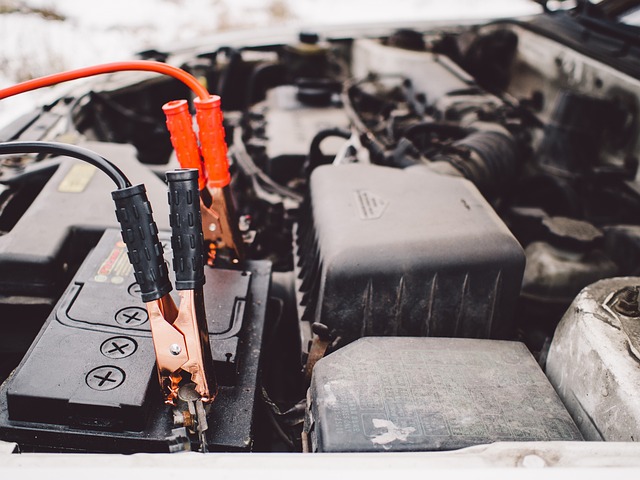
Always follow the recommended order when connecting jumper leads: positive to positive, negative to a ground on the dead car (not the battery), and the reverse order when disconnecting. Incorrectly connecting cables can trigger large voltage surges, potentially damaging the vehicle’s sensitive electronics such as onboard computers, radios, or navigation systems.

Invest in Quality Jump Leads

Cheap or worn jumper leads may not only be ineffective but can cause arcing or overheating that leads to electrical shorts. High-quality, insulated jumper cables with thick gauge wiring ensure a safe and efficient transfer of power. If you’re not confident, professional services like Eurosparx offer jump-start and fault-diagnosis services across the Auckland region and beyond.

Keep an Eye on Vehicle Electronics Post Jump-Start

Monitor the Dashboard for Warning Lights

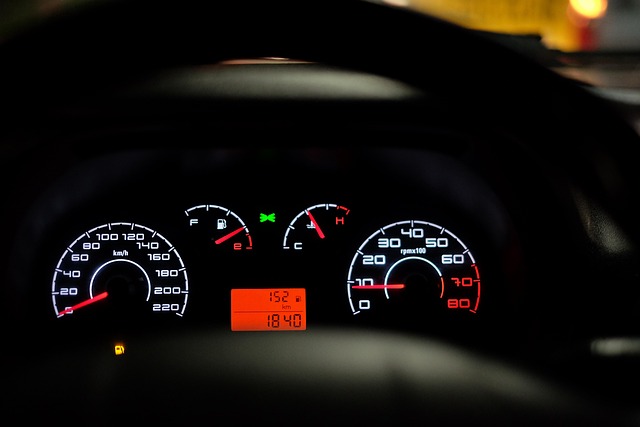
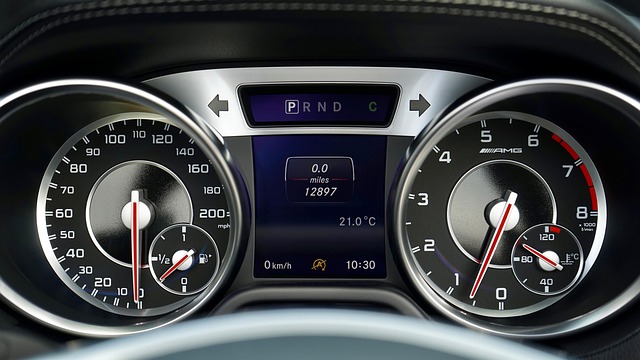
After a jump-start, pay close attention to any new warning lights on your dash, especially the check engine light, battery light, or any error messages. These could indicate that your vehicle’s electronic control unit (ECU) registered a fault during the jump-start, or that something wasn’t reset correctly. Make a note of the warning and seek advice from an auto electrician as soon as possible.

Check Secondary Electronic Systems

Sometimes non-critical systems like infotainment units, power windows, or automatic clocks may reset or behave erratically after a jump-start. In most cases, these can be resolved by resetting the system manually or with a diagnostic scan tool. Persistent issues, however, may hint at deeper electrical disturbances and should be checked by a professional.

Preventing Future Electrical Problems

Regular Battery Maintenance

Make checking your battery and terminals a regular part of your vehicle maintenance routine. In New Zealand conditions, especially with our mix of rural and urban driving, batteries can deteriorate faster due to frequent short trips or climate fluctuations. Periodic maintenance prevents premature problems and extends battery life.

Address Parasitic Battery Drains

Parasitic drains happen when electronic devices in the vehicle continue drawing power even after the car has been turned off. Common culprits include dash cams, GPS units, and aftermarket stereo systems. A qualified auto electrician can perform a parasitic draw test to locate and fix the source of the problem before the battery is permanently affected.

Install a Battery Monitor or Isolator

Consider installing a voltage monitor or battery isolator, especially if your vehicle has multiple accessories or is used frequently off-road or for camping. These systems prevent your main starting battery from being drained by auxiliary systems, keeping your vehicle ready to start when you need it most. These systems are particularly useful in the New Zealand context, where vehicles are often used for outdoor activities requiring AC/DC accessories.

Understanding Electrical System Vulnerability Post Jump Start

Sensitive Electronics at Risk

Modern vehicles include dozens of sensitive electronic modules, and even a slight surge from an incorrect jump-start can interrupt their function or even damage them. Control units for the airbags, anti-lock braking system (ABS), and transmission are especially sensitive to voltage spikes.

Potential for ECU or Module Reset

The engine control unit and other computer modules may reset or misbehave post jump-start, particularly if voltage levels become unstable. While some vehicles will recalibrate over time, others may require a manual reset using a professional scan tool. Eurosparx offers specialised ECU diagnostics to address these issues reliably.

Fuses and Relays May Blow

Another post jump-start issue can be blown fuses or malfunctioning relays, especially if the jump was done in haste or with poor-quality cables. Symptoms can range from simple things like power windows not working to more serious problems like the car not starting again. Finding and replacing blown fuses yourself isn’t always easy, and professional help may be required for proper diagnosis and repair.

How the New Zealand Climate Affects Battery Performance

Cold and Wet Conditions

New Zealand’s winter months, especially in the South Island or higher elevations, can be tough on batteries. Cold conditions slow down chemical reactions in batteries, reducing their performance. Batteries that are already weak can fail completely under these conditions, requiring a jump-start and increasing the risk of post-start electrical issues. Getting your battery tested before winter sets in can prevent unexpected failures.

High Humidity and Corrosion

New Zealand’s coastal climate means higher humidity levels, which can lead to corrosion around battery terminals and electrical connectors. Corrosion increases electrical resistance, making it harder for the starter motor to do its job and can lead to damage during a jump-start due to arching or heat. Regularly cleaning terminals and using corrosion-resistant sprays can help keep the system healthy.

Need Help Preventing Electrical Issues in Your Car?

Taking the right steps after jump-starting your vehicle can save you from a host of electrical headaches down the road. From monitoring battery health to checking for electronic faults, preventative care is key.

As expert auto electricians in New Zealand, Eurosparx can help diagnose, repair, or prevent electrical problems after a jump-start. Whether you need a battery test, ECU scan, or professional assistance, call us today on 09 218 7789 to keep your car running smoothly and reliably.

Categories
Auto Electrical

Top Electrical Upgrades for Your Vehicle and How They Can Improve Performance

When it comes to improving your vehicle’s reliability, safety, and efficiency, upgrading its electrical systems is often overlooked but incredibly impactful.

This article explores the top electrical upgrades you can make to your vehicle, explains how each of these upgrades can improve performance, and highlights the specific considerations for vehicle owners in New Zealand.

Better Car Batteries

Why Invest in a Better Battery?

Your car battery is the heart of your vehicle’s electrical system. For everyday commuters, a standard lead-acid battery might suffice, but for those who operate heavy loads or need better longevity, performance-focused batteries like AGM (Absorbent Glass Mat) or lithium-ion alternatives are a game-changer.

Performance Benefits

Better car batteries provide faster charging times and superior energy efficiency. Lithium-ion batteries in particular offer longer lifespans and are highly resistant to temperature extremes, a critical feature considering New Zealand’s diverse weather conditions. Moreover, they ensure stable power delivery, which is essential if you own a newer vehicle packed with advanced tech features like navigation and driver-assist systems.

Upgraded Lighting Systems

LED and HID Headlight Upgrades

Switching to LED (Light-Emitting Diodes) or HID (High-Intensity Discharge) headlights not only improves visibility during nighttime driving but also consumes less energy compared to traditional halogen bulbs. These lighting systems last significantly longer and lower the load on your vehicle’s electrical system.

Additional Lighting Options

New Zealand’s rural roads and off-road trails often feature limited or no lighting, making additional light bars or fog lamps a necessity. Upgrading your lighting system with high-quality auxiliary lights ensures better visibility during foggy mornings or deep night drives, improving overall safety and making your vehicle more versatile.

Performance ECU Reprogramming

What is ECU Reprogramming?

The Engine Control Unit (ECU) manages many critical aspects of your vehicle’s engine and electrical performance. ECU tuning or reprogramming involves adjusting factory settings to optimise fuel efficiency, power output, and even specific user settings.

Performance Benefits

In vehicles with modern ECUs, reprogramming can unleash hidden potential by improving throttle response, optimising air-fuel ratios, and recalibrating ignition timing. For New Zealand drivers who may face challenging terrain or carry heavy loads, ECU tuning can make a significant difference by increasing torque and ensuring reliable performance.

Modern Infotainment Systems

Enhanced Features

Upgrading your car’s infotainment system doesn’t just improve entertainment—it can improve navigation and communication as well. Modern units often come with touchscreen displays, navigation software, Bluetooth connectivity, and even support for Apple CarPlay or Android Auto.

Performance Integration

Enhanced infotainment systems are now tailored for energy efficiency, meaning they work seamlessly with higher-tech vehicle systems while consuming minimal battery power. They also improve ease of operation while driving, benefitting safety and user convenience on long drives across New Zealand’s highways and scenic routes.

Advanced Charging Ports

USB-C Power Capability

Outdated USB connections often fail to meet fast-charging requirements for modern smart devices. Installing advanced USB-C charging ports ensures that your phone, GPS, or other tools charge quickly and efficiently.

On-the-Go Convenience

Given the outdoor-loving lifestyle many New Zealanders embrace, from hiking to road trips, advanced charging options allow you to stay powered up when you’re miles away from a traditional power source. These systems can even be integrated to work with larger charging needs, such as laptops or camera equipment.

Integrated Foldable Solar Panels

Why Consider Solar Upgrades?

Solar panel systems are becoming an increasingly popular addition to vehicles, particularly for adventurers and campers. These are especially useful for charging auxiliary batteries without relying on the engine or external power sources.

How It Works

Foldable solar panels can connect to secondary batteries or directly to specific electrical components. This is particularly relevant for New Zealanders who enjoy the great outdoors, as the panels charge throughout the day while the vehicle is stationary.

Need Help with Vehicle Electrical Upgrades?

Upgrading your vehicle’s electrical system is one of the best ways to improve its performance, efficiency, and safety. From high-performance alternators to advanced infotainment systems, Eurosparx specialises in tailoring vehicle electrical upgrades to your needs. As your trusted auto electrician in Auckland, we ensure all installations meet the highest safety and performance standards. Call us at 09 218 7789 today to book a consultation.

Categories
Auto Electrical

How an Auto Electrician Can Help with Electric and Hybrid Vehicle Repairs

Electric and hybrid vehicles are becoming increasingly popular across New Zealand due to their eco-friendly appeal and cost-efficiency in the long run.

While they are designed with advanced technology, these vehicles occasionally experience specific issues that require a professional’s expertise.

This article will delve into how an auto electrician can assist with electric and hybrid vehicle repairs, highlighting their indispensable role in ensuring your vehicle remains in optimal condition.

Professional Diagnosis of Electric and Hybrid Vehicle Issues

Electric and hybrid vehicles have a unique internal structure compared to traditional petrol or diesel-powered vehicles. The components used in these vehicles, such as the high-voltage lithium-ion battery, power inverters, electric motors, and regenerative braking systems, require specialised knowledge to diagnose issues accurately.

An auto electrician is equipped with the expertise and diagnostic tools to identify the root cause of problems without unnecessary guesswork. For instance, if you notice decreased battery efficiency or irregular energy flow, an auto electrician can conduct thorough checks using advanced diagnostic equipment to pinpoint the exact issue—be it a malfunctioning inverter, a failing battery cell, or a wiring fault. Their expertise reduces the time it takes to resolve problems and ensures the longevity of your electric or hybrid vehicle.

Additionally, modern electric cars come with integrated systems such as battery management systems (BMS), onboard diagnostic systems, and connected apps. An auto electrician’s proficiency in handling intricate software and hardware ensures that any glitches in these systems are quickly identified and resolved.

Battery and Charging System Repairs

The battery is one of the most critical components in electric and hybrid vehicles. Over time, batteries can degrade due to frequent charging cycles or exposure to extreme temperatures. Signs of battery issues include decreased driving range, slow charging, or dashboard warnings. Auto electricians are trained to evaluate the health of your vehicle’s high-voltage battery, determine the source of the problem, and recommend suitable solutions.

An auto electrician can also inspect and service the charging system. For electrics, they’ll troubleshoot issues with Level 1, Level 2, or DC fast charging compatibility. Whether it’s a damaged charging port, a fault in the charging cable, or calibration issues between the charger and battery, their specialised knowledge allows them to make precise repairs.

Electric Motor and Power Inverter Repairs

Electric motors and inverters convert electrical energy into rotational energy to propel your car. If any issues arise within your motor, such as abnormal noises, poor acceleration, or overheating, an auto electrician can perform comprehensive diagnostics and repairs. Similarly, if the power inverter malfunctions, it could lead to improper voltage conversion, affecting the vehicle’s overall performance.

Auto electricians are well-versed in the internal workings of electric motors and inverters. They can test, repair, or replace damaged components to restore your electric or hybrid vehicle’s performance. Their ability to work on these complex systems ensures that your car runs seamlessly.

Critical Maintenance Services for Hybrid Vehicles

Hybrid vehicles rely on a delicate balance between their internal combustion engines and electric motors. Maintaining this balance requires specialised attention, particularly for the high-voltage components.

Hybrid-Specific Maintenance

Regular hybrid maintenance may include inspecting and servicing components like the hybrid battery, DC-DC converter, electric motor assist systems, and electronically controlled braking systems. An auto electrician has the technical expertise to address any issues within these systems. For instance, hybrid owners may experience a sudden power loss or inconsistent transitions between the electric motor and internal combustion engine. An auto electrician can quickly identify and rectify the underlying problem.

Maintenance also extends to ensuring the overall health of auxiliary electrical components, such as 12-volt auxiliary batteries and power distribution circuits, that are unique to hybrid systems. Failing to address these in time can lead to ignition problems and decreased overall performance.

Regenerative Braking Systems

Many electric and hybrid vehicles are equipped with regenerative braking systems, which convert kinetic energy into electrical energy during braking. Over time, these systems might experience wear, particularly in high-usage vehicles, leading to reduced efficiency or mechanical failure. An auto electrician can service and maintain regenerative braking systems to ensure that energy recovery and braking reliability are optimised.

Upgrading Electric Vehicle Systems

Many electric and hybrid vehicle owners are keen on upgrading their vehicles’ systems, whether for better performance or to integrate the latest technologies. Auto electricians can assist with these upgrades, which may include customising the energy management system, updating dashboard interfaces, improving charging efficiency, or programming advanced vehicle controls.

An example of this is updating your vehicle’s software to accommodate newly installed hardware upgrades like high-capacity batteries or faster inverters. Manufacturer-specific requirements often necessitate the skills of a professional who knows how to safely and effectively execute these modifications while protecting the integrity of the vehicle’s systems.

The Importance of Choosing a Certified Auto Electrician

Given the technical complexity of repairs for electric and hybrid vehicles, it is crucial to seek the assistance of a certified auto electrician. Certified professionals are trained specifically in electric vehicle technology and adhere to safety protocols when handling high-voltage systems. Attempting to repair electric or hybrid vehicles without the necessary training can be dangerous, both for the vehicle and the individual working on it.

Moreover, working with the right professional can save time and money in the long run. Their deep understanding of vehicle-specific technology reduces the likelihood of misdiagnosis or improper repairs. Certified technicians are also familiar with the individual requirements of manufacturers like Tesla, Nissan, Toyota, or BMW, ensuring that any work performed complies with warranty standards.

Advanced Tools and Equipment

Another advantage of choosing a certified auto electrician is their access to advanced tools specifically designed for electric and hybrid vehicles. These tools include high-voltage insulation testers, thermal imaging cameras for battery assessments, and software diagnostic tools compatible with the latest models.

In New Zealand, where electric and hybrid vehicles are becoming a major part of sustainable transport, certified auto electricians remain at the forefront of offering reliable services to owners.

How to Prolong the Life of Your Electric or Hybrid Vehicle

While an auto electrician can assist with necessary repairs, proper vehicle care can help minimise the occurrence of major issues. Practical steps include regular charging according to manufacturer recommendations, avoiding frequent rapid charges to preserve battery health, and routinely scheduling inspections with an auto electrician.

Another key aspect of maintenance is keeping all electrical systems clean and functional. Dust, moisture, and other environmental factors can affect the charging system and connections. Regular inspections by a professional will ensure that everything is in good working condition.

Need Help With Electric and Hybrid Vehicle Repairs?

Electric and hybrid vehicles present unique challenges that demand specialised knowledge and tools for proper maintenance and repairs. Whether it’s diagnosing battery issues, repairing a regenerative braking system, or upgrading your vehicle’s technology, a skilled auto electrician is indispensable.

At Eurosparx, we are your trusted auto electricians in Auckland, specialising in electric and hybrid vehicle repairs. Our team is equipped with the knowledge and tools to ensure your vehicle remains roadworthy and safe. Contact us today by calling 09 218 7789 to discuss your electric or hybrid vehicle needs.

Categories
Auto Electrical

How to Prevent Electrical Fires in Your Vehicle

Electrical fires in vehicles are a serious and potentially life-threatening issue. These fires can occur suddenly, often giving little warning to the driver or passengers.

This article will explore effective strategies for preventing electrical fires in your vehicle. From regular maintenance and awareness of warning signs to the importance of seeking professional help, we’ll ensure you have all the information you need to keep your car safe from this preventable hazard.

Understanding the Causes of Electrical Fires in Vehicles

Faulty Wiring Systems

One of the primary causes of electrical fires in vehicles is faulty wiring. Over time, the wiring in your car can deteriorate due to age, exposure to extreme temperatures, or physical damage. Frayed, exposed, or damaged wires can create short circuits and generate heat, which can ignite a fire. Ensuring that your car’s wiring is intact and in good condition is crucial in avoiding this type of hazard.

Improper modifications, such as installing aftermarket accessories like sound systems or additional lighting without professional oversight, can also overload the electrical system. This creates a higher risk of electrical fires, as these installations may exceed the electrical capacity of your vehicle.

Battery and Alternator Issues

The battery and alternator are essential components of your car’s electrical system, and problems with either can lead to electrical fires. A failing alternator or damaged battery may overheat, leak acid, or develop internal electrical resistance that causes sparks. Overcharging a battery is particularly dangerous, as it can result in a thermal runaway reaction.

Using incompatible or low-quality batteries is another contributing factor. Always choose a high-quality, professionally recommended battery that suits your vehicle’s specifications to avoid potential hazards.

Overheated Components

Overheating is another significant contributor to vehicle electrical fires. Electrical components like fuses, relays, or motors can generate excessive heat when there is resistance, a poor electrical connection, or overuse. A common example is the overheating of the cigarette lighter port when used to power devices that exceed its designed capacity.

Regularly inspecting these components and ensuring they perform at an optimal temperature can significantly reduce your risk of an electrical fire.

Key Steps to Prevent Electrical Fires in Your Vehicle

Schedule Routine Inspections

One of the most effective ways to prevent electrical fires is to have your vehicle inspected regularly by an experienced auto electrician. During these inspections, professionals can detect hidden issues like frayed wires, loose connections, or malfunctioning components before they escalate into potentially disastrous problems.

In New Zealand, where weather conditions can include high humidity and sudden temperature drops, exposure to these elements can accelerate the deterioration of your car’s electrical system. Maintenance checks ensure these environmental factors do not go unnoticed.

Address Warning Signs Immediately

Being vigilant about warning signs can save you from costly damage and accidents. Common indicators of electrical problems include burning smells, flickering lights, blown fuses, or unexpected failure of electrical components. If you notice anything unusual, seek professional assistance promptly rather than attempting a DIY fix, as improper repairs can further increase the risk.

For example, a burning odour is often associated with overheating wires or melting insulation. This is a red flag that should never be ignored. Acting quickly when these warning signs arise can prevent minor electrical issues from evolving into catastrophic fires.

Use Quality Parts and Installations

Always ensure that replacement parts and aftermarket installations are of high quality and fit your vehicle’s specifications. Cheaper, low-quality parts may save money in the short term but can compromise the safety of your car’s electrical system.

When installing any non-standard equipment, such as GPS systems or dashcams, make sure they are installed by certified professionals. Auto electricians are skilled at ensuring that all connections are secure and that the car’s electrical system is not overloaded.

Store Flammable Items Properly

Flammable liquids, such as petrol, cleaning solvents, or even aerosols, should never be stored inside the vehicle’s cabin, especially near electrical components. In the unfortunate event of a short circuit, having flammable items nearby increases the likelihood of a fire significantly.

Instead, store these materials in appropriate containers and locate them away from sources of heat and electricity. Avoid placing flammable objects around the battery area or fuse box, as these are hotspots for electrical activity.

Common Electrical Fire Scenarios and How to Avoid Them

Accidents Involving Flooded Roads

Driving through deep or flooded roads can damage your car’s electrical systems, leading to short circuits later on. In New Zealand, areas prone to flooding during heavy rain make this a frequent issue for drivers. Water can seep into the electrical components, causing corrosion and unexpected malfunctions.

If your vehicle has been exposed to flooding, have it inspected immediately by professionals. Drying electrical components improperly often leaves moisture trapped, putting your car at risk of a future electrical fire.

Improper Jump-Starting Procedures

Jump-starting a vehicle incorrectly can result in sparks, electrical overload, and damage to sensitive car components. Always follow the manufacturer’s guidelines for jump-starting your vehicle or have a professional perform the task for you. This reduces the risk of overheating and accidental fire.

Additionally, keep an eye on the condition of jumper cables. Using damaged or frayed cables for jump-starting can lead to short circuits and other hazards.

Why Professional Help Is Essential

The Complexity of Modern Electrical Systems

Modern vehicles are equipped with increasingly complex electrical systems, making DIY troubleshooting risky and impractical. Today’s cars integrate advanced features, such as backup cameras, in-cabin sensors, and navigation systems, all of which rely on stable electrical operation.

Professional auto electricians are trained to diagnose intricate systems and provide tailored solutions. Attempting to repair problems without proper expertise can exacerbate the issue and compromise not only your car but also your safety.

Peace of Mind Through Expert Service

Booking an inspection or repair service with experienced professionals like Eurosparx ensures that your vehicle receives top-tier attention. Certified auto electricians can identify issues that might otherwise go unnoticed, delivering peace of mind and long-lasting results.

Investing in expert assistance prevents further complications, ensuring your car remains safe and reliable for years to come.

Get Expert Help to Prevent Electrical Fires in Your Vehicle

Preventing electrical fires in your vehicle is all about regular maintenance, timely inspections, and using high-quality components. As experienced auto electricians in Auckland, Eurosparx can help you ensure your car’s electrical systems remain in optimal condition. From professional diagnostics to expert installations, we provide the solutions you need to stay safe on the road. Contact our team today by calling 09 218 7789.
Categories
Auto Electrical

7 Common Reasons Your Car Won’t Start

There are few things more frustrating than getting into your car, turning the key (or pressing the start button), and finding that it doesn’t start.

This problem can disrupt your day, delay important plans, and leave you wondering what might have gone wrong.

In this article, we’ll explore some of the most common reasons your car won’t start and discuss how an auto electrician can provide solutions to these issues.

If you’re in New Zealand and dealing with this problem, understanding the potential causes can help you troubleshoot and determine when it’s time to call in the professionals.

Dead or Weak Battery

A dead or weak battery is one of the most common causes of a car failing to start. The battery is responsible for providing the electrical power needed to start your engine, and without it, you’ll hear either a clicking sound when you turn the key or no sound at all. A weak battery might still provide enough power for your dashboard lights or radio to turn on, but insufficient power to crank the engine.

There are several reasons a battery could become weak or dead. It could be due to leaving your lights or accessories on overnight, an old and worn-out battery, or extreme weather conditions, which are particularly relevant in New Zealand’s variable climate. Routine battery maintenance and testing can help prevent unexpected failures.

If jumpstarting your car gets it running again, that’s a sign that the battery was indeed the issue. However, if the problem persists, it’s time to contact an auto electrician. They can diagnose the issue further and inform you whether a battery replacement or other work is required.

Starter Motor Failure

The starter motor plays a key role in getting your car’s engine running by initiating the combustion process. If the starter motor fails, you’ll likely hear a loud clicking noise when attempting to start your car, but the engine won’t turn over.

This issue can be caused by normal wear and tear over time, electrical problems, or even issues like loose wiring connections. Starter motor failure requires professional attention to diagnose and repair correctly. An auto electrician can inspect the starter’s electrical connections and the motor itself to ensure it functions as it should.

In some cases, the problem might not lie directly with the starter but rather with the electrical circuit that powers it. Either way, this is not a repair you should put off, as driving with a faulty starter motor can lead to more significant issues.

Alternator Problems

The alternator works to recharge your car battery while your engine is running and powers your vehicle’s electrical systems. If the alternator is faulty, your battery won’t stay charged, and eventually, your car will fail to start. Signs of a failing alternator include dimming headlights, flickering dashboard lights, or a warning light on your dashboard.

Alternator problems don’t just prevent your car from starting; they can also impact your ability to drive long distances since your battery will not hold a charge. An auto electrician can test the alternator and identify any worn-out components or issues with the belt that helps drive its operation.

In New Zealand, where long drives through rural areas and varied terrain are common, having a properly functioning alternator is crucial to avoid unexpected breakdowns while on the move.

Fuel System Issues

If your car doesn’t start, the problem might not be electrical at all—it could be an issue with the fuel system. A car that isn’t receiving enough fuel to the engine will struggle to start or might not start at all. Possible causes for this include a clogged fuel pump, blocked fuel filter, or a malfunctioning fuel injector.

Signs of fuel system issues include sputtering during acceleration, decreased engine performance, or a failure to start after refuelling. Car owners in New Zealand, particularly those in areas where long-term fuel storage is common, should also consider whether contaminated fuel could be a factor.

An auto electrician can collaborate with mechanics to address this issue, particularly if the problem overlaps with electronic components regulating fuel delivery to the engine.

Faulty Ignition Switch

The ignition switch sends an electrical signal to the car’s starter motor when you turn the key or press the start button. A worn-out or faulty ignition switch can disrupt this process, resulting in a car that won’t start.

Common symptoms of a failing ignition switch include difficulty turning the key, flickering lights on the dashboard when you attempt to start the car, or a complete lack of response from the car when you turn the key. In some cases, you might even see smoke or smell burning plastic, which are signs of electrical issues within the ignition switch.

Auto electricians are skilled at diagnosing ignition switch problems and replacing faulty components to restore proper functionality. In many cases, they can also address any related wiring or electrical system issues that might be contributing to the failure.

Key or Immobiliser Issues

Modern car keys often come with transponders or electronic chips that communicate with the vehicle’s immobiliser system. If there’s a mismatch or a failure in this system, your car won’t start. For cars with push-button starts, a weak key fob battery can also prevent the vehicle from recognising the key.

Issues with immobilisers often stem from damaged key fobs, malfunctioning sensors, or programming errors. Auto electricians have the tools and expertise to repair and reprogram keys or immobiliser systems, ensuring your car is secure and operational.

In New Zealand, repair costs for immobilisers can vary significantly, especially for imported vehicles, making it even more beneficial to work with local specialists like Eurosparx, who understand this market and its challenges.

Wiring Defects or Loose Connections

Faulty wiring or loose electrical connections can disrupt the flow of electricity to essential components, such as the starter motor or ignition system. Over time, wiring can degrade, become corroded, or disconnect due to vibrations and wear.

Symptoms of wiring issues include intermittent starting problems, issues with accessory systems like lights or radio, or sparks when connecting or disconnecting wires. Diagnosing these problems requires in-depth knowledge of your vehicle’s electrical system, making it a job for a professional auto electrician.

An auto electrician will carefully trace wiring pathways, repair damaged wires, and test the system to ensure all connections are secure and functional.

Other Factors to Consider

While the above issues are some of the most common causes of cars failing to start, there are other less frequent factors to consider. Faulty crankshaft or camshaft position sensors, for example, can interfere with the engine control module’s ability to regulate the engine timing. Another potential issue is a blown fuse affecting critical components, which would cause the car to fail to start.

Your car’s age, maintenance history, and even environmental factors can all play a role in starting issues. For example, moisture from New Zealand’s humid climate can corrode electrical components more quickly, particularly in coastal areas. Regular maintenance and inspections by a professional can preempt many of these less obvious issues.

Finally, if you drive a hybrid or electric vehicle, different considerations come into play. Complex battery systems, high-voltage cables, and specialised software mean an experienced auto electrician is even more critical for diagnosing and fixing problems.

Need Help Diagnosing and Fixing Car Starting Issues?

In summary, there are many reasons your car might fail to start, ranging from a dead battery or faulty alternator to ignition switch problems and immobiliser issues. Diagnosing and fixing these problems often requires the expertise of a skilled auto electrician.

At Eurosparx, we specialise in diagnosing, repairing, and maintaining automotive electrical systems right here in New Zealand. If you’re struggling with a car that won’t start, give us a call at 09 218 7789. Our professional team is here to ensure your vehicle is back on the road in no time.

Categories
Auto Electrical

Do Auto Electricians Change Headlights?

The short answer is yes, auto electricians do usually replace headlights.

They can also typically help with a wide range of issues relating to headlights, including:

Diagnose Wiring Issues

Sometimes, headlight problems stem from faulty wiring rather than the bulb itself. Auto electricians can inspect the wiring system to identify any damage, corrosion, or loose connections and then perform the necessary repairs to restore functionality. This expertise is essential for ensuring the entire lighting system operates safely and reliably.

Replace Bulbs Correctly

Auto electricians are equipped to handle the replacement of all types of headlight bulbs, whether halogen, LED, or HID (High-Intensity Discharge). They follow vehicle specifications to ensure the correct wattage and bulb type are used, which prevents further electrical issues such as blown fuses or overheating sockets.

Inspect and Replace Headlight Assemblies

In some cases, the headlight assembly itself might be damaged or degraded. Auto electricians can assess the assembly for cracks, water ingress, or other damage. If necessary, they can professionally replace the entire unit to restore the headlight’s performance and appearance, ensuring that it aligns with your vehicle’s make and model.

Repair or Replace Relays and Fuses

If your headlights are not functioning because of electrical malfunctions such as blown fuses or broken relays, an auto electrician can identify the exact issue. They will replace these components with compatible parts, ensuring the longevity and reliability of your vehicle’s lighting system.

Adjust Headlight Alignment

Improperly aligned headlights can reduce visibility and pose risks to oncoming drivers. Auto electricians have the equipment and technical knowledge required to adjust the alignment of your headlights, ensuring they illuminate the road effectively without causing glare.

Need Headlight Repairs or Replacement? Trust Eurosparx in New Zealand

Headlights play a crucial role in ensuring your safety on the road, and their maintenance and repair should never be overlooked. As experienced auto electricians in New Zealand, Eurosparx can help with all your headlight repair and replacement needs. From diagnosing electrical malfunctions to upgrading your lighting system, our team is equipped with the tools and expertise to get the job done right.

Contact Eurosparx today by calling 09 218 7789 and let us keep your vehicle safe, reliable, and compliant with New Zealand road standards.

Categories
Auto Electrical

Should You Upgrade to LED Headlights?

Should you upgrade to LED headlights

Upgrading your vehicle’s headlights is a decision that can greatly improve your driving experience.

If you’ve been considering switching to LED headlights, this article will explore why this might be a worthwhile investment for drivers in New Zealand.

Why Consider Upgrading to LED Headlights?

LED headlights have become increasingly popular in recent years due to their superior performance and energy efficiency compared to traditional halogen or HID headlights.

Here are some key reasons why you should consider making the switch:

Enhanced Visibility and Safety

LED headlights offer brighter and more focused illumination, ensuring clearer visibility during night-time driving or in adverse weather conditions. This can make a significant difference when navigating Auckland’s winding roads, urban streets, or rural highways.

Unlike halogen bulbs, which emit a yellowish light, LEDs produce a crisp white light that mimics natural daylight. This improves your ability to see road signs, pedestrians, and potential hazards earlier, enhancing overall road safety.

Long-Lasting Durability

One of the biggest advantages of LED headlights is their impressive lifespan. LEDs can last up to 25,000 hours or more, far exceeding the longevity of halogen and HID lights. For Auckland drivers, this means fewer replacements and reduced maintenance costs over time.

Energy Efficiency

LED headlights consume significantly less energy than their halogen counterparts. This reduced energy draw not only conserves your vehicle’s battery life but also aligns with eco-friendly driving practices, which are increasingly important in Auckland’s move toward sustainability.

Aesthetic Appeal

LED headlights are not just functional but also visually appealing. They give your vehicle a modern and sophisticated look, enhancing its overall aesthetic value. This upgrade can be particularly appealing for car enthusiasts who want their vehicle to stand out.

Quick Response Time

LED headlights light up instantly when switched on, unlike halogen bulbs, which take time to reach full brightness. This quick response can be critical in situations where split-second decisions and visibility are essential.

Potential Considerations Before Upgrading

While LED headlights offer numerous benefits, it’s essential to consider the following factors before making the switch:

Compatibility

Not all vehicles are designed to accommodate LED headlights. Before upgrading, consult an experienced auto electrician in Auckland to ensure your vehicle’s headlight housing and electrical system are compatible with LED technology.

Initial Cost

LED headlights tend to be more expensive upfront compared to halogen bulbs. However, their long-term savings on replacements and energy consumption often outweigh the initial investment.

Installation Process

Proper installation of LED headlights is crucial to ensure optimal performance. Incorrect installation may lead to issues such as improper beam alignment or flickering. Hiring a professional auto electrician, such as Eurosparx in Auckland, ensures a seamless upgrade process.

Additional Information About LED Headlights

Legal Compliance in New Zealand

In New Zealand, it’s essential to ensure that your headlights meet the country’s regulations for brightness and alignment. LED headlights must be correctly installed and aimed to avoid dazzling other drivers on the road.

Ideal Conditions for LED Performance

LED headlights perform best in clear and cold conditions, making them ideal for Auckland’s varying climate. Their resilience to vibrations and shocks also makes them a reliable choice for both urban and rural driving.

Maintenance Tips

While LED headlights require less maintenance than traditional bulbs, it’s still essential to keep them clean and free of debris to ensure maximum brightness. Regularly inspect the headlight housing for any signs of condensation or damage.

Upgrading Additional Lighting

If you decide to upgrade to LED headlights, consider upgrading other vehicle lights, such as taillights or interior lights, for a consistent and modern lighting system throughout your car.

Need Help with Your LED Headlight Upgrade?

As experienced auto electricians in Auckland, Eurosparx can help you seamlessly upgrade to LED headlights. Our team ensures proper installation, compatibility checks, and compliance with New Zealand’s road safety regulations.

Contact Eurosparx today to discuss your lighting needs. Call us at 09 218 7789 to schedule an appointment and experience the benefits of LED headlights firsthand.

Categories
Caravans & Motorhomes

Top 5 Electrical Upgrades for Modern Motorhomes

Electrical upgrades for motorhomes

Upgrading your motorhome can significantly enhance your comfort and convenience during road trips.

For those exploring New Zealand in a motorhome, ensuring your electrical system is modern and efficient can make all the difference.

In this article, we will cover the top five electrical upgrades to consider for your motorhome to keep it well-equipped and ready for any adventure.

Top Electrical Upgrades Every Motorhome Needs

Reversing Cameras

Enhancing safety while manoeuvring your motorhome is crucial, especially in tight spaces or crowded areas. Installing a reversing camera is an excellent upgrade that provides clear visibility of the rear of your vehicle, significantly reducing the risk of accidents.

Reversing cameras are particularly beneficial when parking or navigating narrow Auckland streets. Many modern systems come with additional features such as night vision, wide-angle views, and distance indicators, ensuring that you can safely operate your motorhome in any conditions. This simple yet effective upgrade is essential for improving both safety and convenience during your travels.

GPS Trackers

Installing a GPS tracker is a valuable upgrade for motorhome owners who prioritise security and convenience. GPS trackers allow you to monitor your vehicle’s location in real-time, providing peace of mind when parking in unfamiliar or remote locations. These systems can also be integrated with mobile apps, enabling easy access to tracking data from your smartphone.

For motorhome enthusiasts in Auckland and across New Zealand, GPS trackers are especially beneficial for navigating remote areas and ensuring safety. Advanced models offer features like geofencing alerts, route history, and even theft recovery assistance, making them a must-have upgrade for both security and practicality.

Alarms

Ensuring the security and safety of your motorhome is essential for worry-free travels. Upgrading to modern motorhome alarm systems that incorporate features like smoke detection, motion detection, and leak detection can provide comprehensive protection. These alarms not only safeguard against break-ins but also alert you to potential hazards, such as fires or water damage.

In Auckland, motorhome owners benefit greatly from alarm systems that are tailored to their needs. Advanced alarms can be integrated with smartphone apps for real-time monitoring, offering peace of mind whether you’re parked at a remote location or a crowded campsite. This upgrade combines security and safety, making it an indispensable addition to any motorhome.

Power AC Inverter

Modern motorhomes are full of gadgets, from coffee makers to televisions. Many of these appliances require AC power, which means you’ll need a quality inverter. An inverter converts DC power from your batteries into AC power, which is essential for running typical household appliances. Upgrading to a high-capacity pure sine wave inverter ensures that all your devices work efficiently and safely.

An inverter is especially handy when you want to use items like laptops, microwaves, or even electric cooking equipment. Many motorhome owners who have made the upgrade enjoy the convenience of having home-like facilities on the go. Installing a quality inverter is key to replicating that comfort during your travels.

Solar Power System Installation

One of the best upgrades for any motorhome is installing a solar power system. Solar panels are an excellent way to generate clean energy, reducing reliance on powered campgrounds and allowing you to stay off the grid for longer periods. A solar power system keeps your batteries charged, so you can use your appliances without constantly worrying about power levels.

In Auckland, the weather is often sunny, providing ample opportunities for solar generation. Installing solar panels also aligns with the sustainable ethos many New Zealanders appreciate, contributing to eco-friendly travel. You can opt for a complete solar kit that includes panels, a charge controller, and an inverter, ensuring smooth installation and optimal energy efficiency for your motorhome.

Need Help with Motorhome Electrical Upgrades?

If you’re ready to enhance your motorhome with the latest electrical upgrades, Eurosparx in Auckland is here to help.

Our expert auto electricians specialise in upgrading and optimising motorhomes and caravans to suit the needs of modern travellers.

From installing solar power systems to upgrading your lighting, we provide comprehensive services tailored to motorhome enthusiasts.

Contact our team today to discuss your motorhome upgrade options and see how we can make your next adventure more comfortable and worry-free. Call us on 09 218 7789 or visit our Auckland workshop for a consultation.