
Eurosparx

Categories
Auto Electrical Caravans & Motorhomes

Caravan Battery Charging: Common Issues

Keeping your caravan battery in good working order is essential for enjoyable trips and reliable power on the road. Whether you use your caravan for weekend getaways or extended adventures across New Zealand, understanding the common issues that can affect battery charging will help you avoid unexpected problems and costly repairs. This article covers the most frequent caravan battery charging issues, what causes them, and how to address them effectively.

Why Your Caravan Battery May Not Be Charging Properly

Faulty or Worn Charging Systems

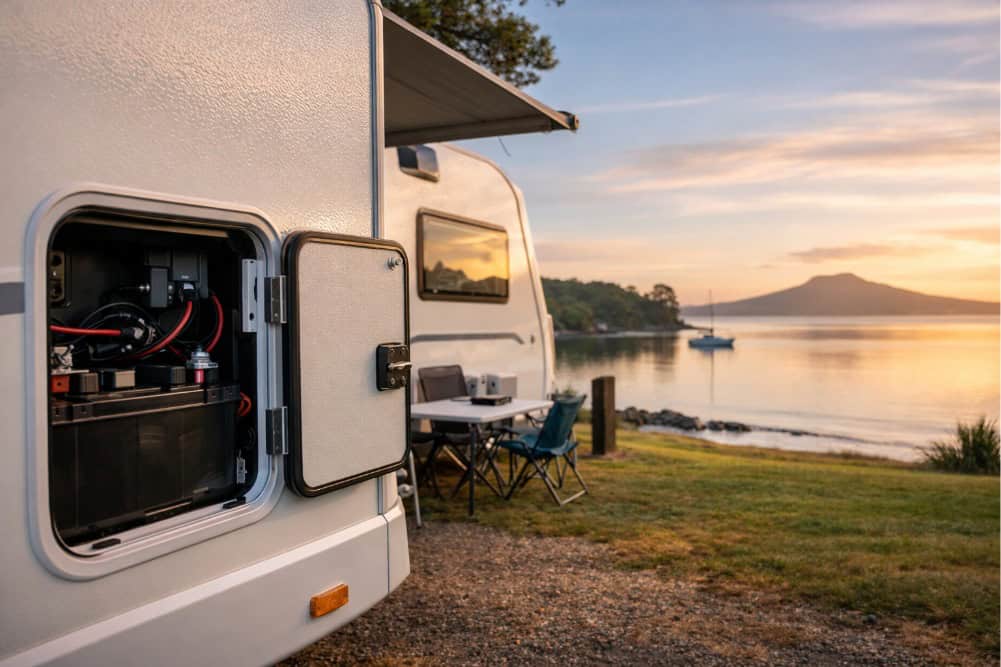
One of the most common reasons a caravan battery fails to charge is a problem with the charging system itself. The charging system in a caravan typically includes a DC-DC charger, mains charger, or a combination of both. Over time, these components can wear out or develop faults that prevent them from delivering the correct charge to your battery. A faulty charger may deliver inconsistent voltage or stop working altogether, leaving your battery flat when you need it most.

If you notice your battery is not holding charge as it should, or it takes much longer than usual to reach full capacity, your charging system may be the culprit. It is worth having a qualified auto electrician inspect the charger and associated wiring to identify any issues. In some cases, simply replacing an old charger with a modern, more efficient unit can solve the problem and improve your overall charging performance.

Corroded or Loose Connections

Corrosion and loose connections are frequent causes of charging problems in caravans. The battery terminals, cables, and connectors are all exposed to the elements, especially in a caravan that spends time outdoors or near the coast in Auckland. Salt air, humidity, and general wear can cause corrosion to build up on terminals, which creates resistance and reduces the flow of electricity to the battery.

Loose connections can also interrupt the charging process. Vibration from travel can gradually loosen battery terminals and wiring connections, leading to intermittent charging or complete failure. Regularly inspecting your battery terminals and cables for signs of corrosion or looseness is a simple but effective way to prevent these issues. Cleaning terminals with a wire brush and ensuring all connections are tight can restore proper charging function in many cases.

Incorrect Charger Settings

Caravan batteries come in different types, including lead-acid, AGM, gel, and lithium. Each battery type has specific charging requirements, and using the wrong charger settings can lead to undercharging or overcharging. Undercharging will leave your battery unable to reach full capacity, while overcharging can cause permanent damage, reduced lifespan, or even safety hazards.

Many modern chargers have selectable settings for different battery types, but these settings must be configured correctly for your specific battery. If you have recently changed your battery or are unsure of the correct settings, consult your battery and charger manuals or seek advice from an auto electrician. Using the correct settings will help your battery charge efficiently and last longer.

Damaged or Ageing Batteries

Even with a perfectly functioning charging system, a damaged or old battery may not charge properly. Batteries have a finite lifespan, and over time, their capacity to hold and accept charge diminishes. Deep discharging a battery repeatedly, leaving it flat for extended periods, or exposing it to extreme temperatures can all accelerate wear and reduce performance.

Signs of a failing battery include slow charging, inability to hold charge, swelling, or visible damage to the casing. If your battery is more than a few years old and you are experiencing persistent charging issues, it may be time for a replacement. Investing in a quality battery suited to your caravan’s power needs will give you reliable performance and reduce the risk of being stranded without power.

Wiring Faults and Poor Installation

Wiring faults are another common cause of caravan battery charging problems. Damaged, frayed, or incorrectly installed wiring can prevent the charger from delivering power to the battery effectively. Poor quality or undersized cables can also create resistance, leading to voltage drops and inefficient charging.

If your caravan has been modified or had electrical work done in the past, there is a chance that the wiring may not be up to standard. A thorough inspection by an experienced auto electrician can identify any wiring faults or installation issues that may be affecting your charging system. Proper wiring is essential for safe and efficient battery charging, so it is always worth having this checked if you suspect a problem.

Solar Panel and Auxiliary Charging Issues

Solar Panel Performance Problems

Many caravan owners in Auckland rely on solar panels to keep their batteries topped up, especially when camping off-grid. However, solar panels can experience a range of issues that reduce their effectiveness. Dirt, leaves, bird droppings, and other debris can accumulate on the panel surface and block sunlight, significantly reducing charging output. Regularly cleaning your solar panels is a simple way to maintain their performance.

Shading is another factor that can impact solar charging. Even partial shading from trees, awnings, or other obstructions can dramatically reduce the power output of a solar panel. Positioning your caravan to maximise sun exposure and avoiding shaded areas will help ensure your panels work at their best. If your solar system is not delivering the expected charge, check for shading and cleanliness before assuming a more serious fault.

Solar Regulator Faults

The solar regulator, also known as a charge controller, manages the flow of electricity from your solar panels to your battery. A faulty regulator can allow too much or too little charge to reach the battery, leading to damage or poor performance. Symptoms of a failing regulator include inconsistent charging, overheating, or a battery that never reaches full charge.

If you suspect your solar regulator is not working correctly, have it tested by a professional. Replacing a faulty regulator is usually straightforward and can restore your solar charging system to full function. Upgrading to a higher quality MPPT (Maximum Power Point Tracking) regulator can also improve charging efficiency, especially in variable light conditions.

Tow Vehicle Charging Issues

Charging your caravan battery from your tow vehicle is a convenient way to keep it topped up while travelling. However, this method can be affected by several issues. Modern vehicles often have smart alternators that vary their output based on the vehicle’s needs, which can result in insufficient charge being delivered to the caravan battery. In these cases, a DC-DC charger is essential to ensure your caravan battery receives a proper charge.

Faulty Anderson plugs, trailer connectors, or charging cables can also interrupt the charging process. Inspect these components regularly for signs of wear, corrosion, or damage. If your caravan battery is not charging while driving, have your charging setup checked by an auto electrician to identify and fix the issue.

Important Considerations for Caravan Battery Charging

Matching Battery and Charger Specifications

Ensuring your charger is compatible with your battery is essential for safe and effective charging. Using a charger that is too powerful can overcharge and damage your battery, while a charger that is too weak may never fully charge it. Always check the specifications of both your battery and charger to confirm they are a suitable match. If you are upgrading your battery or charger, seek advice to ensure compatibility.

Lithium batteries, in particular, require chargers designed specifically for their chemistry. Using a standard lead-acid charger on a lithium battery can cause serious damage and safety risks. If you are considering switching to lithium, make sure your entire charging system is updated to suit the new battery type.

Regular Maintenance and Inspections

Routine maintenance is the best way to prevent caravan battery charging issues. Inspect your battery, terminals, cables, and charging components at least every few months, or before any long trip. Look for signs of corrosion, wear, or damage, and address any problems promptly. Keeping your battery clean and connections tight will help maintain reliable charging performance.

It is also a good idea to have your caravan’s electrical system professionally inspected from time to time, especially if you notice any changes in charging behaviour. An experienced auto electrician can identify potential issues before they become major problems, saving you time and money in the long run.

The Importance of Proper Battery Storage

If you store your caravan for extended periods, how you manage your battery during this time is important. Leaving a battery to sit flat for weeks or months can cause permanent damage and reduce its lifespan. Using a maintenance charger or trickle charger to keep the battery topped up during storage will help preserve its health.

Storing your battery in a cool, dry place away from extreme temperatures is also beneficial. Heat can accelerate wear, while freezing conditions can damage certain battery types. Taking care of your battery during storage will ensure it is ready to perform when you next hit the road.

Need Help With Caravan Battery Charging?

Caravan battery charging issues can stem from a variety of causes, including faulty chargers, corroded connections, incorrect settings, ageing batteries, wiring faults, and problems with solar or auxiliary charging systems. Regular maintenance, proper equipment matching, and timely repairs are key to keeping your caravan powered and ready for adventure.

As auto electricians in Auckland, Eurosparx can help you diagnose and fix any caravan battery charging problems you may encounter. Our team has the expertise to inspect, repair, and upgrade your caravan’s electrical system for reliable performance. Contact our team today by calling 09 218 7789.

Categories
Auto Electrical Caravans & Motorhomes

Troubleshooting Common Caravan Electrical Problems

Caravanning around New Zealand offers incredible freedom and adventure, but electrical problems can quickly turn a dream trip into a frustrating experience. Whether you’re dealing with flickering lights, a battery that won’t hold charge, or appliances that refuse to work, understanding how to troubleshoot caravan electrical issues can save you time, money, and stress. This guide covers the most common electrical problems caravan owners face, how to identify them, and when it’s time to call in a professional auto electrician for assistance.

Common Caravan Electrical Problems and How to Fix Them

Battery Issues

Battery problems are among the most frequent electrical issues caravan owners encounter. Your leisure battery powers everything from lights to water pumps when you’re not connected to mains power, so keeping it in good condition is essential. If your battery isn’t holding charge, the first step is to check for any obvious signs of damage such as swelling, corrosion on the terminals, or leaking fluid. Corroded terminals can prevent proper electrical flow, but they can often be cleaned with a wire brush and a solution of baking soda and water.

A battery that drains quickly might indicate a parasitic draw, where something in your caravan’s electrical system is consuming power even when everything appears to be switched off. This could be a faulty appliance, a damaged wire, or even a light that hasn’t fully turned off. To identify a parasitic draw, you can disconnect the battery and use a multimeter to test the current flow. If you’re not confident doing this yourself, an auto electrician can quickly diagnose the issue and locate the source of the drain.

Battery age also plays a significant role in performance. Most leisure batteries last between three and five years, depending on usage and maintenance. If your battery is approaching this age and showing signs of reduced capacity, replacement is often the most practical solution. When selecting a new battery, consider your power requirements and choose a battery with sufficient amp-hour capacity for your needs.

Faulty Lighting

Lighting problems in caravans can range from individual bulbs that won’t work to entire circuits that have failed. Start by checking the simplest solution first, which is the bulb itself. LED bulbs have largely replaced traditional incandescent bulbs in modern caravans, but they can still fail. Remove the bulb and inspect it for any visible damage, then test it in another fitting if possible to confirm whether the bulb is the issue.

If the bulb is fine, the problem likely lies in the wiring or connections. Caravans experience significant vibration during travel, which can loosen connections over time. Check the connections at the light fitting and trace the wiring back towards the fuse box, looking for any loose or corroded connections. Corrosion is particularly common in older caravans or those that have been exposed to moisture, and it can create resistance in the circuit that prevents lights from working properly.

Flickering lights often indicate a loose connection somewhere in the circuit. This might be at the light fitting itself, at a junction box, or even at the battery terminals. Systematic checking of each connection point along the circuit will usually reveal the culprit. If multiple lights on the same circuit are affected, the issue is more likely to be at a shared point such as the fuse, a common earth connection, or the switch that controls that circuit.

12V Socket and USB Port Failures

The 12V sockets and USB ports in your caravan are essential for charging devices and powering accessories. When these stop working, it’s often due to a blown fuse. Locate your caravan’s fuse box and identify the fuse for the affected circuit, then check whether the fuse element is intact. Replacement fuses should always match the amperage rating specified for that circuit, as using a higher-rated fuse can create a fire risk.

If the fuse is intact, the socket itself might be faulty. Years of plugging and unplugging devices can wear out the internal contacts, preventing a proper connection. You can test this by gently wiggling a plug while it’s inserted to see if the connection is intermittent. Replacement sockets are relatively inexpensive and straightforward to install, though ensuring proper connections during installation is important to avoid future problems.

Sometimes the issue lies with the wiring behind the socket rather than the socket itself. Vibration from road travel can cause wires to work loose from their terminals or create breaks in the wire itself. Accessing the wiring behind a socket usually requires removing a panel or trim piece, after which you can inspect the connections and check for continuity in the wiring using a multimeter.

Inverter and Charger Problems

Many caravans are equipped with inverters that convert 12V DC power to 240V AC power, allowing you to use standard household appliances. When an inverter stops working, first check that it’s receiving adequate power from the battery. Inverters typically require a minimum voltage to operate, and if your battery is low, the inverter may shut down to protect itself. Check your battery voltage with a multimeter; it should read at least 12.4V for the inverter to function properly.

Overloading is another common cause of inverter failure. Each inverter has a maximum wattage rating, and attempting to power appliances that exceed this rating will cause the inverter to shut down or trip its internal protection. Calculate the total wattage of any appliances you’re trying to run simultaneously and compare this to your inverter’s capacity. Remember that some appliances, particularly those with motors, have a higher startup wattage than their running wattage.

Battery chargers, which replenish your leisure battery when connected to mains power, can also develop faults. If your battery isn’t charging when plugged into mains power, check that the charger is receiving power and that all connections are secure. Many modern chargers have diagnostic lights or displays that indicate their status. A charger that’s getting power but not charging the battery may have an internal fault and require replacement or professional repair.

Problems with the Tow Vehicle Connection

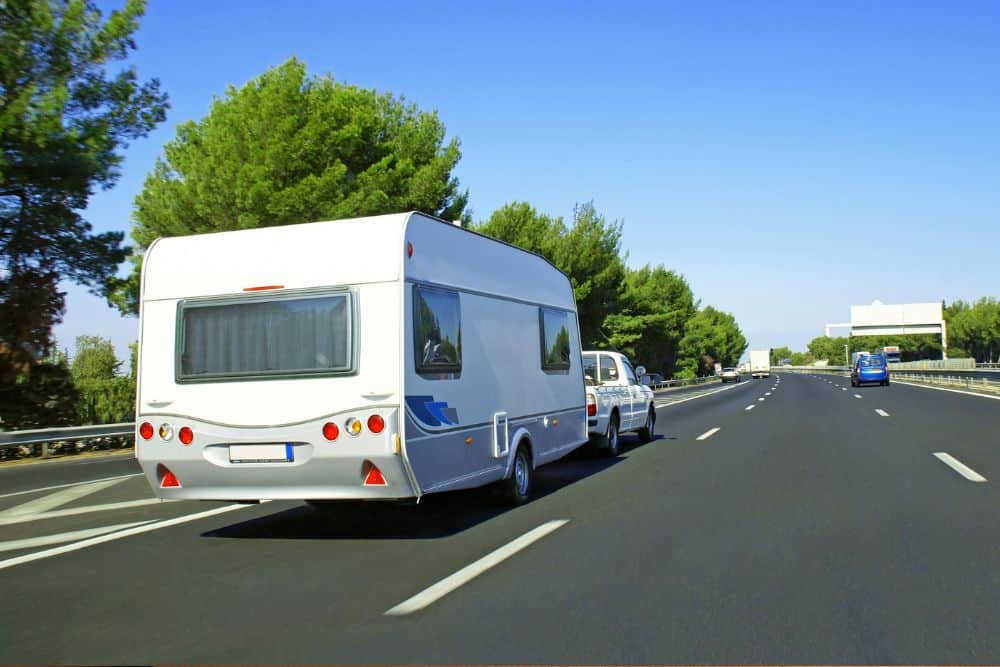
The electrical connection between your tow vehicle and caravan is crucial for safety, providing power to the caravan’s road lights and often charging the leisure battery while travelling. The most common connection types in New Zealand are 7-pin flat and 12-pin flat plugs, each serving different functions. If your caravan’s road lights aren’t working, start by inspecting both the plug and socket for corrosion, bent pins, or accumulated dirt that might prevent proper contact.

Corrosion is particularly common on tow connections because they’re exposed to road spray, rain, and general environmental conditions. Clean any corrosion with electrical contact cleaner and a small brush, then apply dielectric grease to protect the contacts from future corrosion. This simple maintenance can prevent many connection problems before they occur.

If cleaning doesn’t resolve the issue, test the socket on your tow vehicle using a plug-in tester or by connecting a different trailer if available. This helps determine whether the problem is with the vehicle’s socket or the caravan’s wiring. Faults in the tow vehicle’s socket wiring are common, particularly if the socket was aftermarket fitted or if the vehicle has had previous electrical work done. Issues with trailer light problems can often be traced back to these connections.

Safety Considerations When Working with Caravan Electrics

Understanding Your System

Before attempting any electrical troubleshooting, it’s important to understand the basics of your caravan’s electrical system. Most caravans have two separate electrical systems: a 12V DC system powered by the leisure battery, and a 240V AC system that operates when connected to mains power. The 12V system is generally safer to work with, but the 240V system presents the same risks as household electricity and should only be worked on by qualified electricians.

Your caravan should have a consumer unit or distribution board that contains the fuses or circuit breakers for both systems. Familiarise yourself with the location of this unit and the circuits it controls. Many caravans have a diagram inside the consumer unit cover that shows which fuse or breaker corresponds to which circuit. If your caravan doesn’t have this, consider creating one yourself as a reference for future troubleshooting.

Keep your caravan’s electrical documentation in an accessible place. This includes the owner’s manual, any wiring diagrams, and records of previous electrical work. This information can be invaluable when troubleshooting problems and can save significant time if you need to call in a professional.

When to Call a Professional

While many basic electrical checks can be performed safely by caravan owners, some situations require professional expertise. Any work involving the 240V mains system should be carried out by a qualified electrician. This includes modifications to the consumer unit, installation of new mains circuits, and repairs to the mains inlet or internal mains wiring. Working on mains voltage without proper qualifications is not only dangerous but also illegal in New Zealand.

Complex 12V issues that you can’t diagnose using basic methods are also best left to professionals. Auto electricians have specialised diagnostic equipment that can quickly identify faults that would take hours to find using basic tools. They also have experience with the specific electrical systems used in caravans and can often spot potential problems before they cause breakdowns.

If you smell burning, see smoke, or notice any signs of electrical damage such as melted plastic or burn marks, stop using the affected circuit immediately and seek professional help. These signs indicate a serious fault that could lead to electrical fires in your vehicle if not addressed properly. Similarly, any electrical work required for certification or compliance purposes must be carried out by appropriately qualified professionals.

Preventive Maintenance for Caravan Electrical Systems

Regular Inspection Routines

Prevention is always better than cure when it comes to caravan electrics. Establishing a regular inspection routine can help you identify potential problems before they leave you stranded. Before each trip, check that all lights are working, including road lights, interior lights, and any external lights. Test your 12V sockets and USB ports with a device you know works. Check your battery voltage and ensure your charger is functioning correctly.

At least once a year, conduct a more thorough inspection of your caravan’s electrical system. Check all visible wiring for signs of damage, wear, or rodent activity. Mice and rats can cause significant damage to caravan wiring, particularly if the van has been stored in rural areas. Inspect all connections for corrosion and tightness, paying particular attention to battery terminals and earth connections.

Keep a basic electrical toolkit in your caravan that includes spare fuses of various ratings, a multimeter, electrical tape, a wire brush for cleaning terminals, and dielectric grease for protecting connections. Having these items on hand allows you to address minor issues quickly without having to find an auto parts store in an unfamiliar location.

Battery Maintenance

Proper battery care extends the life of your leisure battery and helps prevent unexpected failures. If you have a traditional lead-acid battery, check the electrolyte level regularly and top up with distilled water if necessary. Keep the battery terminals clean and apply a thin layer of petroleum jelly or terminal protector to prevent corrosion. Modern AGM and lithium batteries require less maintenance but still benefit from regular voltage checks and proper charging practices.

How you store your caravan affects battery health significantly. If your caravan will be unused for extended periods, either remove the battery and store it in a cool, dry place, or use a maintenance charger to keep it topped up. Leaving a battery to discharge completely can cause permanent damage, particularly to lead-acid batteries. Ideally, batteries should be kept above 50% charge during storage.

Consider your power usage patterns and whether your current battery setup meets your needs. If you frequently find yourself running low on power, upgrading to a higher-capacity battery or adding a second battery might be worthwhile. Solar panels are also an excellent addition for caravan owners who spend time off-grid, providing a constant trickle charge to maintain battery levels without running a generator or relying on mains power.

Need Help with Caravan Electrical Problems?

Caravan electrical issues can range from simple fixes to complex problems requiring professional diagnosis and repair. Understanding the basics of troubleshooting can help you resolve minor issues and identify when it’s time to seek expert assistance. As auto electricians in Auckland, Eurosparx can help you with all aspects of caravan electrical systems, from diagnosing mysterious faults to installing new equipment. Contact our team today by calling 09 218 7789.

Categories
Caravans & Motorhomes

Top Electrical Upgrades for Tradie Vans in Auckland

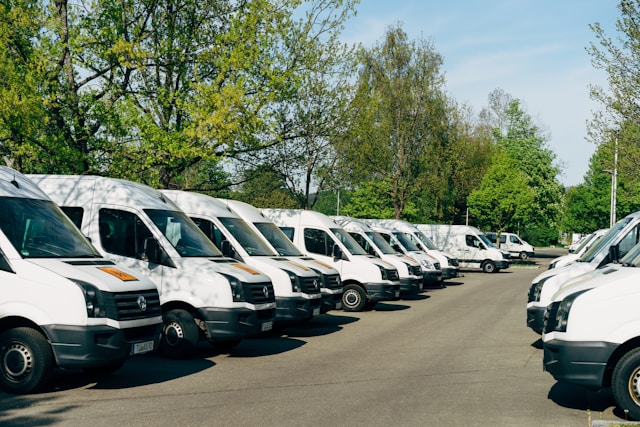
Modern tradies rely on their vans as mobile workshops, and having the right electrical setup can make the difference between a productive workday and constant frustrations. Whether you’re a plumber, builder, or any other trade professional operating in Auckland, upgrading your van’s electrical system can transform how you work on site and travel between jobs.

Essential Power Inverter Systems

Installing a quality power inverter stands as one of the most crucial electrical upgrades for any tradie van in Auckland. A pure sine wave inverter, typically ranging from 1500W to 3000W, allows you to run standard 240V tools and equipment directly from your van’s battery system. This means you can operate power tools, charge batteries, and even run small appliances without needing to find a power point or carry a generator to every job site.

The choice of inverter size depends on your specific trade requirements and the tools you use most frequently. For lighter electrical loads such as charging drill batteries and running LED work lights, a 1500W inverter provides ample power whilst remaining cost-effective. However, if you regularly use angle grinders, circular saws, or other high-draw equipment, investing in a 2500W or 3000W inverter ensures you won’t experience power dropouts during crucial work moments.

Professional installation of your inverter system is vital for safety and optimal performance. The system needs proper earthing, appropriate circuit breakers, and correctly sized cables to handle the current draw safely. Many Auckland tradies have discovered that a professionally installed inverter pays for itself within months through increased productivity and reduced downtime searching for power sources.

Dual Battery Systems with Smart Management

A dual battery setup provides the foundation for all other electrical upgrades in your tradie van. This system involves adding a secondary deep-cycle battery that’s isolated from your starter battery, ensuring you’ll never be stranded with a flat battery after using power tools all day. The auxiliary battery powers all your work equipment whilst the main battery remains dedicated to starting your van.

Modern dual battery systems incorporate DC-DC chargers that optimise charging from your alternator whilst driving around Auckland’s varied terrain. These smart chargers can handle the unique requirements of different battery types, whether you choose traditional AGM batteries or invest in lithium options. They also protect against overcharging and ensure maximum battery life, which is particularly important given Auckland’s temperature variations throughout the year.

The placement and ventilation of your auxiliary battery require careful consideration. Many vans benefit from under-floor mounting to save cargo space, whilst others suit battery boxes in the rear compartment. Proper ventilation prevents gas buildup and heat accumulation, especially important during Auckland’s humid summer months when batteries work harder to maintain charge.

LED Lighting Conversions and Work Lights

Upgrading to LED lighting throughout your van delivers immediate benefits in power consumption and visibility. Interior LED strips or panels consume a fraction of the power of traditional bulbs whilst providing superior illumination for finding tools and materials in your van. This becomes particularly valuable during Auckland’s winter months when you’re often starting and finishing jobs in darkness.

External LED work lights mounted on your van’s roof or rear doors transform night-time and early morning job capabilities. Magnetic or permanently mounted LED flood lights can illuminate entire work areas, making emergency callouts and overtime work safer and more efficient. Choose lights with adjustable brackets to direct illumination exactly where needed, and consider models with remote controls for convenient operation.

Under-body and compartment lighting deserves equal attention in your electrical upgrade plan. LED strips in tool drawers, storage compartments, and under shelving make equipment location quick and easy. Motion-activated lights in frequently accessed areas save battery power whilst providing instant illumination when needed, proving especially useful when your hands are full of tools or materials.

USB Charging Stations and 12V Outlets

Multiple USB charging points throughout your van keep essential devices powered throughout the workday. Installing a dedicated USB hub with quick-charge capabilities ensures phones, tablets, and other digital tools remain operational for invoicing, navigation, and client communication. Position these outlets strategically near your driving position and work bench areas for maximum convenience.

Additional 12V outlets expand your van’s versatility for running specialised equipment. From portable fridges for lunch and drinks to 12V air compressors for pneumatic tools, these outlets eliminate the need for adapter plugs and reduce strain on your inverter system. Installing weatherproof 12V outlets on your van’s exterior provides power options for outdoor work without running extension leads through doors or windows.

Smart USB and 12V installations include voltage displays and individual switches for each outlet. This allows you to monitor power consumption and disconnect unused circuits to preserve battery life. Some Auckland tradies opt for colour-coded outlets to distinguish between always-on circuits and those controlled by ignition or manual switches.

Solar Panel Integration

Adding solar panels to your van’s roof provides sustainable power generation that’s particularly effective given Auckland’s reasonable sunshine hours. A 200-300W solar setup can maintain your auxiliary battery’s charge during the workday, extending runtime for tools and equipment. This proves invaluable for tradies who spend extended periods on single job sites or work in remote Auckland locations.

Flexible solar panels conform to curved van roofs and weigh significantly less than rigid panels, making them ideal for vehicles that need to maintain payload capacity. These panels withstand Auckland’s occasional hail and strong winds whilst providing consistent power generation. Pairing solar panels with an MPPT charge controller maximises energy harvest even during cloudy conditions.

The integration of solar requires careful planning of cable runs and connection points. Waterproof entry glands prevent leaks whilst maintaining your van’s weather resistance. Many tradies find that solar panels pay for themselves within 18-24 months through reduced alternator wear and improved battery longevity.

Important Considerations for Van Electrical Upgrades

Before committing to electrical upgrades, assess your van’s alternator capacity and wiring infrastructure. Older vans may require alternator upgrades to support additional electrical loads, particularly when running multiple high-draw systems simultaneously. The existing wiring loom might also need reinforcement with heavier gauge cables to safely carry increased current loads.

Compliance with New Zealand electrical standards is non-negotiable for van modifications. All 240V installations must meet AS/NZS 3001 standards and be completed by licensed electricians. This ensures your insurance remains valid and your van passes its Certificate of Fitness inspections. Documentation of all electrical work also adds value when selling or upgrading your vehicle.

Consider future expansion when planning your electrical system. Installing a distribution panel with spare capacity allows for easy addition of new circuits as your business grows. Similarly, choosing components that can be upgraded or expanded saves money compared to complete system replacements down the track.

Maintenance and Safety Features

Regular maintenance of your van’s electrical system prevents costly failures and dangerous situations. Battery terminals require periodic cleaning and tightening to maintain good connections, whilst fuses and circuit breakers need testing to ensure they’ll protect your equipment when needed. Establishing a monthly inspection routine catches problems before they impact your work.

Installing battery monitoring systems provides real-time information about your electrical system’s health. These displays show voltage, current draw, and remaining capacity, helping you manage power usage effectively. Some systems include smartphone apps that alert you to problems even when you’re away from your van, providing peace of mind during Auckland’s unpredictable weather events.

Safety equipment such as fire extinguishers rated for electrical fires, emergency disconnects, and proper signage for high-voltage areas protect both you and others who might work on your van. Investing in quality components from reputable suppliers might cost more initially but provides reliability and safety that budget alternatives can’t match.

Need Help With Your Tradie Van Electrical Upgrades?

Upgrading your tradie van’s electrical system transforms it into a more efficient mobile workshop that supports your business growth. From power inverters and dual battery systems to solar panels and LED lighting, these improvements boost productivity and professional capability.

As Auckland’s specialist auto electricians, Eurosparx can design and install the perfect electrical system for your tradie van. Contact our experienced team today by calling 09 218 7789 to discuss your van’s electrical upgrade requirements.

Categories
Caravans & Motorhomes

Top 5 Electrical Upgrades for Modern Motorhomes

Electrical upgrades for motorhomes

Upgrading your motorhome can significantly enhance your comfort and convenience during road trips.

For those exploring New Zealand in a motorhome, ensuring your electrical system is modern and efficient can make all the difference.

In this article, we will cover the top five electrical upgrades to consider for your motorhome to keep it well-equipped and ready for any adventure.

Top Electrical Upgrades Every Motorhome Needs

Reversing Cameras

Enhancing safety while manoeuvring your motorhome is crucial, especially in tight spaces or crowded areas. Installing a reversing camera is an excellent upgrade that provides clear visibility of the rear of your vehicle, significantly reducing the risk of accidents.

Reversing cameras are particularly beneficial when parking or navigating narrow Auckland streets. Many modern systems come with additional features such as night vision, wide-angle views, and distance indicators, ensuring that you can safely operate your motorhome in any conditions. This simple yet effective upgrade is essential for improving both safety and convenience during your travels.

GPS Trackers

Installing a GPS tracker is a valuable upgrade for motorhome owners who prioritise security and convenience. GPS trackers allow you to monitor your vehicle’s location in real-time, providing peace of mind when parking in unfamiliar or remote locations. These systems can also be integrated with mobile apps, enabling easy access to tracking data from your smartphone.

For motorhome enthusiasts in Auckland and across New Zealand, GPS trackers are especially beneficial for navigating remote areas and ensuring safety. Advanced models offer features like geofencing alerts, route history, and even theft recovery assistance, making them a must-have upgrade for both security and practicality.

Alarms

Ensuring the security and safety of your motorhome is essential for worry-free travels. Upgrading to modern motorhome alarm systems that incorporate features like smoke detection, motion detection, and leak detection can provide comprehensive protection. These alarms not only safeguard against break-ins but also alert you to potential hazards, such as fires or water damage.

In Auckland, motorhome owners benefit greatly from alarm systems that are tailored to their needs. Advanced alarms can be integrated with smartphone apps for real-time monitoring, offering peace of mind whether you’re parked at a remote location or a crowded campsite. This upgrade combines security and safety, making it an indispensable addition to any motorhome.

Power AC Inverter

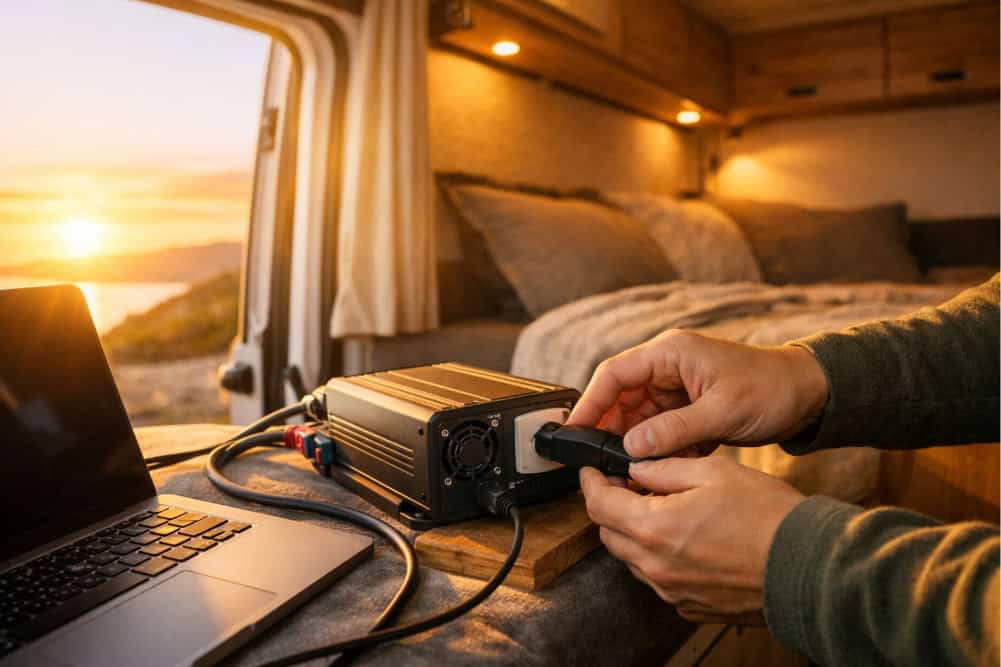
Modern motorhomes are full of gadgets, from coffee makers to televisions. Many of these appliances require AC power, which means you’ll need a quality inverter. An inverter converts DC power from your batteries into AC power, which is essential for running typical household appliances. Upgrading to a high-capacity pure sine wave inverter ensures that all your devices work efficiently and safely.

An inverter is especially handy when you want to use items like laptops, microwaves, or even electric cooking equipment. Many motorhome owners who have made the upgrade enjoy the convenience of having home-like facilities on the go. Installing a quality inverter is key to replicating that comfort during your travels.

Solar Power System Installation

One of the best upgrades for any motorhome is installing a solar power system. Solar panels are an excellent way to generate clean energy, reducing reliance on powered campgrounds and allowing you to stay off the grid for longer periods. A solar power system keeps your batteries charged, so you can use your appliances without constantly worrying about power levels.

In Auckland, the weather is often sunny, providing ample opportunities for solar generation. Installing solar panels also aligns with the sustainable ethos many New Zealanders appreciate, contributing to eco-friendly travel. You can opt for a complete solar kit that includes panels, a charge controller, and an inverter, ensuring smooth installation and optimal energy efficiency for your motorhome.

Need Help with Motorhome Electrical Upgrades?

If you’re ready to enhance your motorhome with the latest electrical upgrades, Eurosparx in Auckland is here to help.

Our expert auto electricians specialise in upgrading and optimising motorhomes and caravans to suit the needs of modern travellers.

From installing solar power systems to upgrading your lighting, we provide comprehensive services tailored to motorhome enthusiasts.

Contact our team today to discuss your motorhome upgrade options and see how we can make your next adventure more comfortable and worry-free. Call us on 09 218 7789 or visit our Auckland workshop for a consultation.