
Eurosparx

Categories
Air Conditioning

How to Wire a 7-Pin Trailer Plug Correctly

Wiring a 7-pin trailer plug correctly is essential for ensuring your trailer’s lights, brakes, and auxiliary functions work safely and reliably on New Zealand roads. This guide will walk you through the complete process of wiring a 7-pin trailer plug, covering everything from understanding the pin configuration to making secure connections that will last.

Understanding the 7-Pin Trailer Plug Configuration

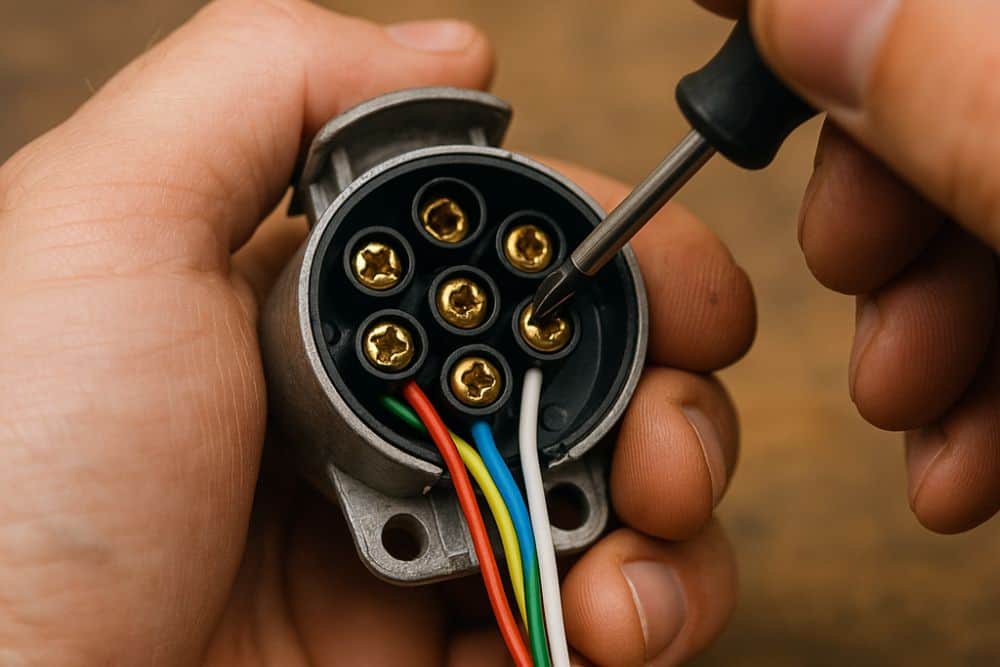
The standard 7-pin flat trailer plug used throughout New Zealand and Australia follows a specific wiring configuration that you must adhere to for proper function and legal compliance. Each pin serves a distinct purpose, and getting even one connection wrong can result in faulty lights or, worse, brake failure. The seven pins are arranged in a flat configuration, and understanding their layout is the first step to successful wiring.

Pin 1 is designated for the left indicator and brake light, carrying a yellow wire.

Pin 2 handles the reverse lights and uses a black wire.

Pin 3 is the earth or ground connection, which is critical for completing all circuits, and uses a white wire.

Pin 4 connects to the right indicator and brake light with a green wire.

Pin 5 powers the electric brakes using a blue wire.

Pin 6 powers the tail, clearance, and number plate lights (both sides) with a brown wire.

Finally, Pin 7 is often used for auxiliary functions (e.g., interior lights or battery charge) with a red wire.

This follows the Australian/New Zealand 7-pin flat plug standard (AS 4177.5-2004). Memorising this configuration or keeping a reference chart handy will prevent costly mistakes during installation.

Gathering the Required Tools and Materials

Before beginning the wiring process, make sure you have all necessary tools and materials on hand. You will need a 7-pin trailer plug and socket set, appropriate automotive cable (typically 5-core or 7-core depending on your trailer’s requirements), wire strippers, crimping tools, electrical tape, heat shrink tubing, and a multimeter for testing connections. Having a soldering iron is optional but recommended for creating more durable connections that can withstand the vibrations and weather exposure common in trailer use.

Quality matters significantly when selecting your materials. Choose marine-grade or automotive-grade cable that can withstand moisture, temperature fluctuations, and physical wear. Cheap cable with inadequate insulation will deteriorate quickly, especially in Auckland’s humid coastal environment. Similarly, invest in a quality plug and socket with solid brass pins rather than cheaper alternatives that corrode easily. The small additional cost will save you from repeated repairs and potential roadside breakdowns.

Preparing the Cable and Plug

Start by cutting your trailer cable to the appropriate length, allowing enough slack to account for turns and vehicle movement without creating excess cable that could drag or snag. Strip approximately 50-60mm of the outer sheath from the cable end, being careful not to damage the individual wire insulation beneath. Once exposed, separate the individual wires and strip about 5-7mm of insulation from each wire end. If your cable contains more cores than you need, identify which wires you will use according to the standard colour coding and tape back any unused wires to prevent short circuits.

Prepare the plug housing by unscrewing or opening it according to the manufacturer’s design. Most 7-pin plugs have a cable grip or clamp that secures the outer sheath, preventing strain on the individual wire connections. Thread the cable through this grip before making any connections, as you will not be able to add it afterwards. Slide heat shrink tubing onto each wire before making connections if you plan to use this additional protection method.

Making the Pin Connections

Connect each wire to its corresponding pin terminal within the plug, following the standard configuration outlined earlier. If your plug uses screw terminals, twist the exposed wire strands tightly together, form a hook shape, wrap it around the screw in a clockwise direction, and tighten securely. The clockwise wrapping prevents the wire from working loose as you tighten the screw. For crimp-style terminals, insert the wire fully into the crimp connector and use a proper crimping tool to create a solid mechanical connection. Avoid using pliers as a substitute for a crimping tool, as they rarely create adequate pressure for a reliable connection.

For the most durable connections, particularly in the harsh marine environment common around Auckland, consider soldering your connections after crimping. This creates a gas-tight seal that prevents corrosion from moisture infiltration. Apply heat shrink tubing over each connection and use a heat gun to shrink it tightly, providing both insulation and mechanical protection. Take special care with the earth wire (Pin 3), as a poor earth connection is the most common cause of trailer lighting problems. Ensure this connection is clean, tight, and corrosion-free.

Securing the Cable and Housing

Once all pin connections are complete, tighten the cable grip or clamp firmly on the outer cable sheath. This strain relief is crucial because it prevents the individual wire connections from bearing the mechanical stress of cable movement, which would otherwise cause them to break or work loose over time. Make sure the grip is tight enough to hold the cable firmly but not so tight that it crushes the cable or damages the outer sheath.

Carefully arrange the wires inside the plug housing so they sit neatly without crossing or putting strain on any connections. Close the plug housing and secure it according to the manufacturer’s design, whether that involves screws, clips, or a threaded collar. Some plugs include rubber gaskets or seals that provide water resistance. Make sure these are properly positioned before closing the housing. Apply a small amount of dielectric grease to the pins and socket connections to further protect against corrosion, which is particularly important in coastal areas.

Testing Your Connections

Before connecting your trailer to the vehicle, test each circuit with a multimeter to verify proper continuity and function. Set your multimeter to continuity or resistance mode and check each pin against the earth pin. You should see an open circuit (infinite resistance) when the corresponding light or function is off. Connect the plug to your vehicle’s socket and have someone operate each function (indicators, brake lights, tail lights, reverse lights) while you verify that the correct pins are receiving power and that all lights illuminate properly.

Pay particular attention to the brake light function on both sides, as these share pins with the indicators and must work correctly in all situations. Test the electric brake connection if your trailer is equipped with electric brakes by using a brake controller test function or multimeter to verify that Pin 6 is receiving the appropriate variable voltage signal. Check for any voltage present on the earth wire (Pin 3), which would indicate a fault in the grounding system. If you discover any issues during testing, disconnect the power, identify the problem connection, and rectify it before using the trailer on the road.

Common Wiring Mistakes to Avoid

One of the most frequent errors is reversing the left and right circuits, which causes indicators and brake lights to illuminate on the wrong side of the trailer. This creates a serious safety hazard and is illegal. Always double-check your connections against the standard pin configuration before closing the plug housing. Another common mistake is inadequate insulation between terminals, which can cause short circuits when wires touch inside the housing, leading to blown fuses or damaged vehicle wiring.

Many people also underestimate the importance of a solid earth connection. Using an undersized earth wire, making a loose connection, or relying on the trailer’s chassis for earthing without a proper dedicated earth wire often results in intermittent lighting problems that are frustrating to diagnose. In Auckland’s humid climate, corrosion can quickly degrade marginal connections, so always use the full specified earth wire and make sure every earth connection is clean and tight. Finally, avoid using inappropriate cable types such as household electrical cable or speaker wire, which lack the necessary insulation, flexibility, and durability for automotive applications.

Maintaining Your Trailer Plug Connection

Regular maintenance will extend the life of your trailer plug and prevent problems on the road. After each use, particularly if you have been near saltwater or in wet conditions, disconnect the plug and inspect it for signs of corrosion, damage, or water ingress. Wipe both the plug and socket dry and apply a light coating of dielectric grease or corrosion-inhibiting spray to the pins. Store the plug in a secure location when not connected, using a plug cover or dummy socket to keep dirt and moisture out.

Every few months, or before any long journey, perform a complete function test of all circuits. Check that all connections inside the plug remain tight and that no wires have chafed or become damaged. Look for any discolouration or melting of plastic components, which indicates excessive current draw or poor connections creating resistance and heat. Replace any damaged components immediately rather than attempting temporary repairs. The relatively small cost of a new plug is insignificant compared to the danger and inconvenience of trailer lighting failure on a busy motorway.

Need Help With Trailer Wiring?

Properly wiring a 7-pin trailer plug requires attention to detail and understanding of automotive electrical systems. While it is a task that capable DIY enthusiasts can complete, incorrect wiring poses serious safety risks and can damage your vehicle’s electrical system. As Auckland auto electricians, we can help you with all aspects of trailer plug wiring, from installation and testing to fault diagnosis and repairs. Contact our team today by calling 09 218 7789 to ensure your trailer electrical system is safe, legal, and reliable.

Categories
Air Conditioning

Why Your Speedometer Isn’t Working (Common Causes)

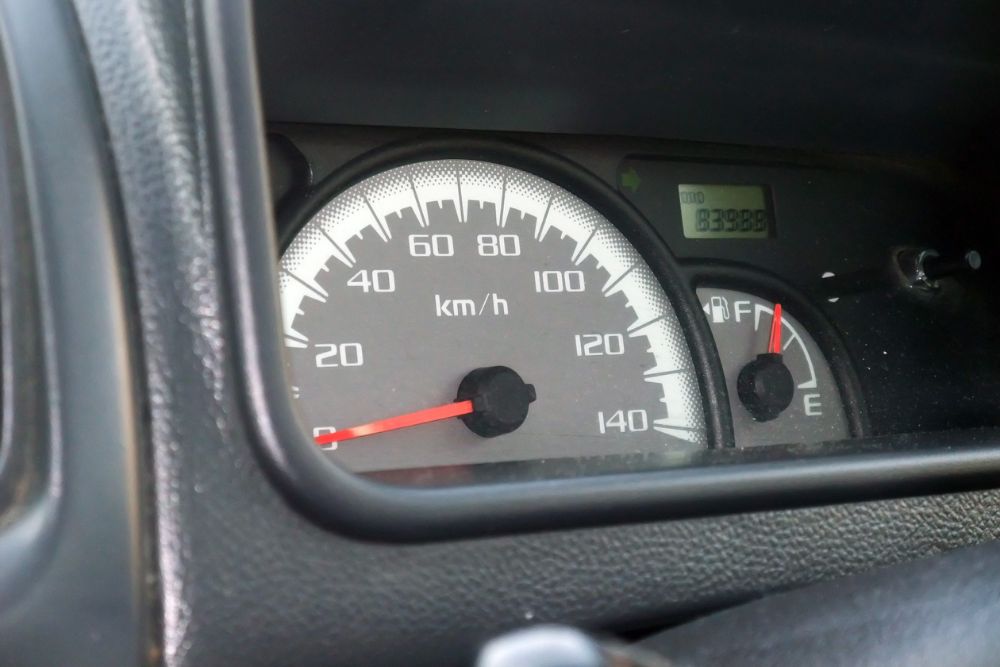
When your speedometer stops working, it’s more than just an inconvenience, it can make driving unsafe and even land you in trouble with the law. Understanding the common causes behind a faulty speedometer can help you recognise the problem early and get it sorted before it becomes a bigger issue. This article explores the typical reasons why speedometers fail and what you can do about it.

Faulty Speed Sensor

The speed sensor is one of the most common culprits when your speedometer stops working. This small electronic component is typically located on the transmission or differential and measures how fast your vehicle is travelling by monitoring the rotation of the wheels or output shaft. When the speed sensor fails or develops a fault, it can no longer send accurate information to your speedometer, causing it to display incorrect readings or stop working altogether. Modern vehicles rely heavily on electronic speed sensors, which means that when they fail, you might also notice issues with your cruise control or anti-lock braking system since these features often share the same sensor data.

Speed sensors can fail for several reasons, including exposure to extreme temperatures, oil or fluid contamination, or simply wear and tear over time. In Auckland’s variable weather conditions, where vehicles experience both humid coastal air and occasional cold snaps, the electronic components can be particularly vulnerable. You might notice the speedometer needle bouncing erratically before it fails completely, which is often an early warning sign that the speed sensor is on its way out. Sometimes the check engine light will also illuminate on your dashboard, and a diagnostic scan will reveal a speed sensor error code that confirms the problem.

Replacing a faulty speed sensor is generally a straightforward repair for an experienced auto electrician. The part itself is relatively inexpensive, but the labour involved can vary depending on where the sensor is located on your particular vehicle model. Some sensors are easily accessible, whilst others require removing components or lifting the vehicle to reach them properly. It’s worth addressing this issue promptly because driving without a working speedometer isn’t just inconvenient—it’s illegal in New Zealand and can result in fines if you’re stopped by police.

Damaged or Worn Speedometer Cable

If you’re driving an older vehicle, particularly one manufactured before the mid-1990s, your speedometer likely relies on a mechanical cable rather than an electronic sensor. This cable connects the transmission to the speedometer gauge and physically spins to indicate your speed. Over time, these cables can become worn, frayed, or broken, resulting in a speedometer that jumps around, reads inaccurately, or stops working entirely. You might also hear a squealing or whining noise coming from behind the dashboard when the cable is damaged, which is caused by the frayed metal strands rubbing against the cable housing.

Speedometer cables can fail due to age, lack of lubrication, or physical damage from road debris or improper installation during previous repairs. The cable runs from underneath the vehicle up through the firewall and into the dashboard, which means it’s exposed to the elements and vulnerable to corrosion, especially in Auckland’s salty coastal environment. When the cable breaks completely, the speedometer needle will simply drop to zero and stay there regardless of how fast you’re travelling. In some cases, the cable becomes kinked or bent, which restricts its movement and causes intermittent or inaccurate readings rather than complete failure.

Replacing a speedometer cable requires removing the old cable from both the transmission end and the gauge end, then threading a new cable through the same route. This can be a fiddly job that requires patience and experience, particularly when routing the cable through tight spaces in the engine bay and dashboard. An auto electrician will ensure the new cable is properly lubricated and secured at both ends to prevent future problems. Whilst mechanical speedometer systems are becoming less common, there are still plenty of older vehicles on Auckland roads that rely on them, so knowing how to diagnose and repair cable issues remains an essential skill.

Faulty Instrument Cluster

Sometimes the problem isn’t with the speed sensor or cable at all, but with the instrument cluster itself. The instrument cluster houses all your dashboard gauges, including the speedometer, and contains circuit boards, motors, and electronic components that can fail over time. When the speedometer portion of the instrument cluster develops a fault, you might notice that other gauges continue working normally whilst only the speedometer is affected. This is often caused by a failed stepper motor, which is the small motor that moves the speedometer needle, or by damaged circuitry on the printed circuit board inside the cluster.

Instrument clusters can develop problems due to age, electrical surges, moisture ingress, or manufacturing defects. Some vehicle models are known for having weak solder joints on the circuit boards, which can crack and fail after years of vibration and temperature cycling. When this happens, the electrical connection to the speedometer is interrupted, causing it to stop functioning. You might also experience problems with the odometer not recording mileage correctly, or the trip metre not resetting, which are all signs that the instrument cluster needs attention. Dashboard warning lights might flicker or fail as well if the circuit board damage is extensive.

Repairing an instrument cluster requires specialised knowledge and equipment. The cluster must be carefully removed from the dashboard, disassembled, and tested to identify the exact fault. In some cases, faulty solder joints can be repaired by reflowing the solder, whilst in other situations, components like stepper motors need to be replaced. Some vehicle models require the instrument cluster to be reprogrammed or recalibrated after repair to ensure it communicates properly with the vehicle’s other systems. This is particularly important for newer vehicles where the instrument cluster is integrated with the vehicle’s computer network. An experienced auto electrician will have the diagnostic tools and technical knowledge needed to properly diagnose and repair instrument cluster faults.

Blown Fuse or Wiring Issues

Sometimes a non-working speedometer is caused by something as simple as a blown fuse. Modern vehicles have multiple fuse boxes that protect different electrical circuits, and the speedometer is typically on its own dedicated circuit. If this fuse blows due to an electrical surge or short circuit, the speedometer will stop receiving power and won’t function at all. Checking the fuses should always be one of the first diagnostic steps when troubleshooting a faulty speedometer, as it’s quick, easy, and might save you from unnecessary repairs. Your vehicle’s owner’s manual will show you where the fuse boxes are located and which fuse protects the instrument cluster or speedometer circuit.

Beyond blown fuses, wiring problems can also cause speedometer failures. The wiring harness that connects the speed sensor or speedometer cable to the instrument cluster can become damaged, corroded, or disconnected over time. This is particularly common in areas where the wiring is exposed to moisture, heat, or physical wear. Rodents can also chew through wiring insulation, creating short circuits or open circuits that prevent the speedometer from working properly. You might notice intermittent speedometer operation that comes and goes as you drive over bumps, which often indicates a loose connection or damaged wire that’s making and breaking contact as the vehicle moves.

Diagnosing wiring issues requires systematic testing with a multimeter to check for continuity, proper voltage, and ground connections throughout the speedometer circuit. An auto electrician will trace the wiring from the speed sensor through any connectors and into the instrument cluster, looking for breaks, corrosion, or resistance that could be causing the problem. Once identified, damaged sections of wire can be repaired or replaced, and connectors can be cleaned and secured properly. It’s worth noting that modern vehicles often use multiplexed wiring systems where information is shared across a data network rather than through individual wires, which means specialised diagnostic equipment is needed to properly test the system and identify faults.

Important Considerations When Driving Without a Working Speedometer

Driving without a functioning speedometer presents several significant challenges and risks that you should be aware of. The most obvious issue is that you won’t know exactly how fast you’re travelling, which makes it difficult to stay within speed limits and increases your risk of getting a speeding ticket. In New Zealand, it’s a legal requirement that your speedometer is in working order, and you can be fined if your vehicle is found to have a non-functioning speedometer during a roadside check. On top of that, insurance companies may question claims if they discover your vehicle had a known defect like a broken speedometer at the time of an accident.

Without a working speedometer, you’ll need to pay much closer attention to road signs, traffic flow, and your surroundings to estimate your speed. This can be mentally exhausting and takes your focus away from other important aspects of safe driving. You might find yourself watching GPS speed displays on your phone or navigation system, but these aren’t always accurate and can lag behind your actual speed, particularly when accelerating or decelerating. Furthermore, constantly looking at alternative speed displays creates additional distraction that can compromise your safety and the safety of other road users.

If your speedometer stops working, it’s best to limit your driving until you can get it repaired. If you must drive the vehicle, stick to routes you know well where you’re familiar with the appropriate speeds, and leave extra following distance to compensate for your uncertainty about how fast you’re travelling. Remember that cruise control won’t work properly without a functioning speed sensor in most vehicles, so you’ll need to maintain your speed manually. Schedule a repair appointment as soon as possible to get your speedometer back in working order and avoid the stress and legal risks of driving without one.

The Connection Between Speedometer and Other Vehicle Systems

Many drivers don’t realise that the speedometer is connected to several other important vehicle systems, which means a faulty speedometer might be accompanied by other problems. The anti-lock braking system (ABS) relies on wheel speed sensors to monitor individual wheel speeds and prevent lockup during hard braking. If these sensors are faulty or if there’s a problem with the speed sensor signal, you might notice your ABS warning light illuminated on the dashboard alongside your non-functioning speedometer. This is particularly important from a safety perspective because it means your ABS may not function properly in an emergency braking situation.

Cruise control is another system that depends on accurate speed information. When your speedometer isn’t working due to a faulty speed sensor, your cruise control typically won’t engage or will disengage immediately if it was already active. Some vehicles also use speed sensor data for transmission shift points, traction control systems, and stability control systems. This means that a faulty speed sensor can cause your transmission to shift roughly or at inappropriate times, or your traction control might activate unexpectedly. In severe cases, your vehicle might enter a “limp mode” where engine power is reduced to protect the drivetrain from potential damage due to incorrect speed information.

Modern vehicles with electronic engine management systems also use speed sensor data to calculate fuel consumption, adjust idle speed when the vehicle is moving, and control various emissions systems. A faulty speed sensor can therefore lead to reduced fuel economy, rough idling, or failed emissions tests. The interconnected nature of modern vehicle systems means that what seems like a simple speedometer problem can actually indicate a fault that’s affecting multiple systems throughout your vehicle. This is why it’s essential to have a qualified auto electrician diagnose the problem properly rather than ignoring it or attempting makeshift repairs that don’t address the underlying cause.

Need Help With Your Faulty Speedometer?

A non-working speedometer needs prompt attention to keep you legal, safe, and informed whilst driving. Whether it’s a failed speed sensor, damaged cable, faulty instrument cluster, or wiring issue, proper diagnosis and repair will restore your speedometer to full function and ensure all related systems work correctly. As auto electricians in Auckland, we can help you diagnose and repair speedometer faults in all makes and models. Contact our team today by calling 09 218 7789 to book your vehicle in for expert speedometer repair and get back on the road with confidence.

Categories
Air Conditioning

Why Your Car Air Con Smells Bad and How to Fix It

Your car’s air conditioning system should provide fresh, cool air for a comfortable driving experience, but sometimes it produces unpleasant odours that can make every journey uncomfortable. Understanding the source of these smells and knowing how to address them can help restore your vehicle’s interior air quality and ensure your comfort on the road.

Common Causes of Bad Air Con Smells in Your Car

Mould and Mildew Growth

The most frequent culprit behind foul air conditioning odours is mould and mildew development within your system. Auckland’s humid climate creates perfect conditions for these microorganisms to thrive in the dark, damp environment of your car’s evaporator core and air ducts. When moisture accumulates in the system and doesn’t dry properly, it becomes a breeding ground for these fungi, producing a musty, stale smell that intensifies when you first switch on the car air conditioning.

The evaporator core, located behind your dashboard, is particularly vulnerable to this problem. As warm air passes over the cold evaporator, condensation forms naturally. If this moisture doesn’t drain away correctly or the system doesn’t dry out between uses, mould spores settle and multiply rapidly. This issue becomes worse during Auckland’s wet winters when cars remain closed up for extended periods.

Clogged Cabin Air Filter

Your vehicle’s cabin air filter acts as the first line of defence against external pollutants, trapping dust, pollen, and other airborne particles before they enter your car’s interior. Over time, this filter becomes saturated with contaminants and can start harbouring bacteria and producing unpleasant odours. In Auckland’s urban environment, with its mix of traffic pollution and natural allergens, cabin filters can become clogged faster than manufacturers’ recommended replacement intervals suggest.

A dirty cabin filter not only causes bad smells but also reduces airflow through your ventilation system, making your air conditioning work harder and less efficiently. The accumulated debris in the filter can retain moisture, creating another breeding ground for bacteria and contributing to that distinctive sour or musty smell many drivers notice.

Bacterial Build-up in the System

Beyond mould and mildew, various bacteria can colonise your air conditioning system’s components. These microorganisms feed on organic matter that enters your system, such as dead insects, leaves, or other debris. As they multiply and die off, they produce waste products and decomposition odours that can range from slightly unpleasant to absolutely foul. The smell often resembles rotting vegetation or, in severe cases, something similar to dirty socks or gym equipment.

The condensate drain, which removes water from your air conditioning system, can become blocked with debris or bacterial slime. When this happens, water backs up into the system, creating stagnant pools where bacteria flourish. This standing water not only smells terrible but can also lead to more serious issues like water leaking into your car’s interior.

How to Fix Bad Air Con Smells

Replace the Cabin Air Filter

Starting with the simplest solution, replacing your cabin air filter can immediately improve air quality and eliminate many odour problems. Most vehicles require filter replacement every 15,000 to 30,000 kilometres, though Auckland’s conditions might necessitate more frequent changes. The filter is typically located behind the glove box or under the bonnet near the windscreen, and replacement usually takes less than 15 minutes.

When selecting a replacement filter, consider upgrading to an activated carbon filter if your vehicle doesn’t already have one. These filters contain a layer of activated charcoal that absorbs odours and harmful gases more effectively than standard paper filters. While slightly more expensive, they provide superior filtration and can significantly reduce recurring smell issues.

Clean the Evaporator and Air Ducts

Professional cleaning of your evaporator core and air ducts involves using specialised antimicrobial treatments that kill existing mould, mildew, and bacteria while preventing future growth. Auto electricians use foam cleaners or spray treatments that penetrate deep into the system, reaching areas that simple air fresheners cannot access. The cleaning agent is typically introduced through the blower motor resistor opening or through the air intake vents, ensuring complete coverage of all internal surfaces.

For a thorough clean, technicians might also use an inspection camera to identify specific problem areas within your ductwork. This targeted approach ensures that all contamination sources are addressed, not just the easily accessible ones. The entire process usually takes between 30 minutes to an hour, depending on the severity of the contamination.

Check and Clear the Condensate Drain

The condensate drain tube, usually located under your vehicle near the passenger side firewall, must remain clear for proper system function. A blocked drain causes water to accumulate in the evaporator housing, creating ideal conditions for microbial growth. Clearing this drain involves locating the rubber tube and either using compressed air to blow out blockages or carefully inserting a flexible wire to remove debris.

Regular maintenance of the condensate drain prevents water damage to your vehicle’s interior carpeting and electrical components. During particularly humid Auckland summers, checking this drain monthly can prevent problems before they develop into costly repairs or persistent odour issues.

Use an Antibacterial Treatment

Antibacterial treatments designed specifically for automotive air conditioning systems can eliminate existing microorganisms and provide ongoing protection against future growth. These treatments come in various forms, including aerosol sprays, foam applications, and professional-grade solutions that require specialised equipment. The treatment coats internal surfaces with a protective barrier that continues working for several months after application.

Professional-grade treatments often include enzymes that break down organic matter, eliminating the food source for bacteria and mould. These treatments are particularly effective when combined with regular system maintenance and proper filter replacement schedules.

Prevention Tips for Maintaining Fresh Air Con

Run Your Air Con Regularly

Operating your air conditioning system for at least 10 minutes weekly, even during Auckland’s cooler months, keeps components lubricated and prevents moisture accumulation. Regular use ensures that refrigerant oil circulates through the system, maintaining seal integrity and preventing bacterial growth in stagnant conditions. This practice also helps identify potential problems early, before they develop into major issues requiring expensive repairs.

When you do run your system, occasionally switch between fresh air and recirculation modes. This variation helps dry out different parts of the system and prevents any single area from remaining consistently damp. Set aside time each week for this simple maintenance task, perhaps during your regular commute or weekend errands.

Dry Out the System After Use

Before arriving at your destination, switch off the air conditioning compressor while keeping the fan running for the final few minutes of your journey. This practice allows the evaporator to warm up and dry out, reducing moisture that would otherwise remain in the system. The moving air helps evaporate residual condensation, significantly reducing the likelihood of mould and bacterial growth.

In Auckland’s humid climate, this drying technique becomes even more crucial during autumn and spring when temperature fluctuations create more condensation than usual. Making this a habitual practice takes minimal effort but provides substantial long-term benefits for your air conditioning system’s hygiene and longevity.

Park in Well-Ventilated Areas

Where you park your vehicle affects air quality and moisture levels inside your car. Whenever possible, choose well-ventilated parking spots that allow air circulation around your vehicle. Avoid parking under trees that drop leaves and debris, as these can clog air intakes and introduce organic matter into your ventilation system. Underground car parks, while convenient, often have poor ventilation and high humidity levels that contribute to mould growth.

If you must park in less-than-ideal conditions, crack your windows slightly when safe to do so, allowing air circulation that helps prevent moisture build-up. Using sunshades not only protects your interior from UV damage but also reduces temperature extremes that can accelerate bacterial growth in your air conditioning system.

When to Seek Professional Help

Persistent Odours Despite DIY Efforts

If unpleasant smells continue after replacing filters and attempting basic cleaning, professional intervention becomes necessary. Persistent odours often indicate deeper issues within the system that require specialised equipment and expertise to resolve. Auto electricians have access to professional-grade cleaning agents, diagnostic tools, and the technical knowledge to identify and address complex problems that DIY methods cannot fix.

Sometimes, the issue extends beyond simple contamination to include problems with the air conditioning system’s mechanical components. Failing compressor seals, refrigerant leaks, or damaged evaporator cores can create conditions that promote recurring odour problems. These issues require professional diagnosis and repair to prevent further damage to your vehicle’s air conditioning system.

Signs of System Malfunction

Unusual noises accompanying bad smells often signal mechanical problems requiring immediate attention. Squealing sounds might indicate belt issues, while rattling could suggest loose components or debris in the blower motor. Reduced cooling efficiency combined with odours typically points to refrigerant problems or compressor failure. Water leaking into your vehicle’s interior, visible mould growth on vents, or allergic reactions when using the air conditioning all warrant professional inspection.

Professional auto electricians can perform comprehensive system diagnostics, checking refrigerant levels, electrical connections, and mechanical components. They can also identify whether odours originate from the air conditioning system itself or from related issues such as engine problems or exhaust leaks that might be entering through the ventilation system.

Need Help With Your Car’s Air Conditioning Odours?

Dealing with unpleasant air conditioning smells requires understanding their causes and applying appropriate solutions, from simple filter replacements to professional system cleaning. Regular maintenance and preventive measures can keep your car’s air fresh and your journeys comfortable throughout Auckland’s varying climate conditions.

Eurosparx can diagnose and fix all your car air conditioning problems, eliminating bad odours and restoring optimal system performance. Contact our team today by calling 09 218 7789 to schedule your air conditioning service and breathe easy on every drive.

Categories
Air Conditioning

How to Keep Your Car’s Air Conditioning Running Smoothly Year-Round

Keep air conditioning running smoothly

Car air conditioning is an essential feature for staying comfortable on the road, whether it’s the peak of summer or the chill of winter.

Ensuring your car’s AC system operates efficiently year-round not only improves your driving experience but also helps prevent costly repairs.

This guide covers practical steps to maintain your car’s air conditioning system and keep it in top shape.

Routine Maintenance for Car Air Conditioning Systems

Regular maintenance is key to ensuring your car’s air conditioning system runs smoothly. Neglecting upkeep can lead to reduced performance, unpleasant odours, and higher energy consumption, not to mention more regular servicing and regasing requirements.

Schedule Annual Servicing

Booking a professional AC servicing once a year is crucial. This service will inspect your system, check refrigerant levels, and identify potential issues before they escalate.

During a service, technicians will clean the condenser, replace filters, and ensure the system is free from blockages. These steps improve airflow and enhance cooling efficiency.

Inspect and Replace the Cabin Air Filter

The cabin air filter traps dust, pollen, and debris to keep the air inside your car clean. Over time, it can become clogged, reducing airflow and putting strain on the AC system. Replace the filter every 12,000 to 15,000 kilometres or as recommended by your vehicle’s manufacturer.

Check Refrigerant Levels

Low refrigerant levels can cause the system to blow warm air instead of cool. A professional can check and top up refrigerant levels, ensuring optimal performance. Be sure to address refrigerant leaks promptly, as they can damage the environment and reduce cooling efficiency.

Keep the System Active

Running your air conditioning for at least ten minutes weekly, even in winter, helps maintain system pressure and prevents seals from drying out. This simple step can prolong the lifespan of your AC components.

Preventing Common Air Conditioning Issues

Taking proactive steps can help you avoid common problems that affect car air conditioning systems.

Avoid Overloading the System

Excessive use of the AC on maximum settings can strain the compressor and other components. To maintain efficiency, start by ventilating hot air from the car before turning on the AC. Using the recirculation mode can also reduce the workload by cooling existing air inside the cabin.

Monitor Unusual Noises or Odours

Strange noises, such as squealing or rattling, may indicate issues with the compressor or fan. Similarly, musty odours can signal mould or bacteria build-up in the system. Addressing these issues early can prevent further damage and improve air quality.

Protect the Condenser

The condenser, located near the front grille, is prone to damage from road debris. Regularly inspect it for dirt and obstructions, and clean it as needed. A damaged or blocked condenser can compromise the AC’s cooling capacity.

Benefits of Professional AC Servicing in Auckland

Professional servicing offers several advantages that go beyond routine maintenance. Going to a professional ensures your air conditioning system is thoroughly inspected and maintained.

Accurate Diagnosis

Specialists use advanced diagnostic tools to identify underlying issues, such as refrigerant leaks or electrical faults, that may not be visible during a basic inspection.

Improved Energy Efficiency

Servicing can enhance your AC’s energy efficiency by cleaning critical components and optimising the system’s performance. This results in reduced fuel consumption and lower operational costs.

Extended System Lifespan

Timely maintenance and repairs extend the life of your air conditioning system, saving you money on costly replacements in the long term.

FAQs About Car Air Conditioning Maintenance

How Often Should I Service My Car’s Air Conditioning?

It’s recommended to service your AC annually or as specified by your car’s manufacturer. Regular servicing ensures optimal performance and prevents unexpected breakdowns.

Why Is My Car’s AC Blowing Warm Air?

Warm air may indicate low refrigerant levels, a blocked condenser, or a malfunctioning compressor. Have a professional inspect the system to identify and resolve the issue.

Can I Use My AC During Winter?

Yes, running the AC during winter helps maintain system pressure and prevents seals from drying out. It’s also effective for defogging windows.

How Do I Prevent Musty Odours from My AC?

Regularly replace the cabin air filter and have the system cleaned during servicing. Using antibacterial treatments can also help eliminate mould and bacteria.

Need Help Keeping Your Car’s Air Conditioning in Top Shape?

As experienced auto electricians in Auckland, Eurosparx offers comprehensive AC servicing and repairs to keep your system running smoothly year-round. Our skilled team uses the latest tools and techniques to ensure your car’s air conditioning performs at its best.

Contact Eurosparx today by calling 09 218 7789 or visit our workshop to schedule an appointment.

Categories
Air Conditioning

Now Is The Time To Get Your Car’s Air Conditioning Sorted!

Summer is here and whether you commute to work or are going to a weekend getaway, driving without the air conditioning will be awful.

The temperature inside the cabin in the summer heat can rise up to 60°C. So you need to get the air conditioning system regassed or serviced before the full force of summer kicks in!

Over time, AC systems need to be regassed due to some of the refrigerant gas escaping. If you want it to perform at its full capacity and it would be a good idea to get your AC system checked just before summer.

Get Your Car's Air Conditioning Ready for Summer

We at Eurosparx are here to ensure your car’s air conditioning is working for summer. We offer all auto air conditioning services from our Avondale workshop including:

  • Regassing – We will recharge your AC system with the right amount of refrigerant gas to gain maximum cooling performance
  • Servicing – We will perform other maintenance on your air conditioning system to ensure it’s correct operation
  • Repairs – If there is a fault with your air conditioning system, we will diagnose and repair it to ensure you have cool air for the summer.

Contact us now to get your car’s air conditioning sorted by calling 09 218 7789 or emailing .

Categories
Air Conditioning

How Is an Air Conditioning Regas Done on a Car?

If you find that your air conditioning is not blowing as cold as it used to, chances are it needs a regas (also known as a recharge). AC regassing is a normal part of maintenance for air conditioning systems and generally needs to be done every 1-2 years.

Car Air Con Regas in Auckland

Why does AC need regassing?

The way the car AC system is designed, there are lots of seals and parts that are prone to failure overtime, allowing small leaks to happen. In theory, the system should be fully sealed and never leak. But in reality, leaks do happen. Especially as the car ages, seals can become hard or brittle and let some gas to escape. This is one of the reasons that it is recommended to regularly turn the AC on even if you don’t need it, to keep the seals oiled so they last longer.

If you find that your AC system needs regassing often, that is a sign that something is not right and you should have it checked out for faults or leaks.

What’s involved in doing the regas?

The regas procedure involves removing the old refrigerant gas from the systems and filling it with new gas. There is a regas system that hooks up to your AC system which extracts the old gas and then fills it with the correct new gas.

We will also do a performance test before replacing the gas to see if your AC system is working correctly. If there is a fault, we will let you know what needs to be fixed before completing the regas.

Other AC maintenance items

While dealing with the AC system, it may be worth replacing the cabin filter (probably never been done) and doing an anti-bacterial clean if you notice a musty small coming from the air vents.

Get your AC regassed today

If you need to get your car’s AC system regassed, talk to us at Eurosparx today. We are able to service and repair both 134a and 1234yf systems and can do a regas from $280 including GST. Give us a call now on 09 218 7789 or info@eurosparx.co.nz.