

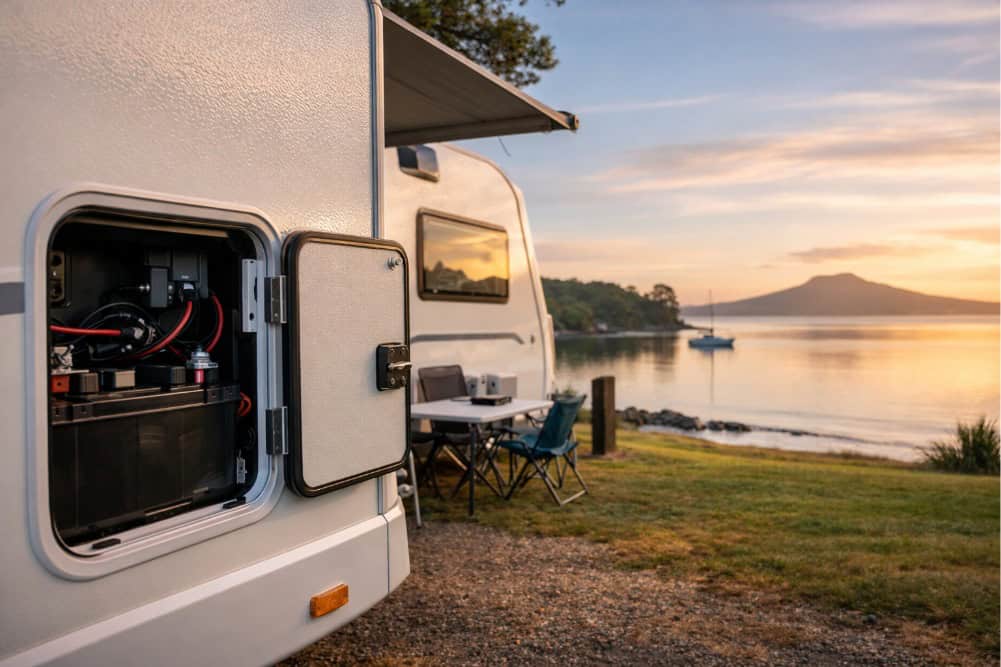
Keeping your caravan battery in good working order is essential for enjoyable trips and reliable power on the road. Whether you use your caravan for weekend getaways or extended adventures across New Zealand, understanding the common issues that can affect battery charging will help you avoid unexpected problems and costly repairs. This article covers the most frequent caravan battery charging issues, what causes them, and how to address them effectively.
Why Your Caravan Battery May Not Be Charging Properly
Faulty or Worn Charging Systems
One of the most common reasons a caravan battery fails to charge is a problem with the charging system itself. The charging system in a caravan typically includes a DC-DC charger, mains charger, or a combination of both. Over time, these components can wear out or develop faults that prevent them from delivering the correct charge to your battery. A faulty charger may deliver inconsistent voltage or stop working altogether, leaving your battery flat when you need it most.
If you notice your battery is not holding charge as it should, or it takes much longer than usual to reach full capacity, your charging system may be the culprit. It is worth having a qualified auto electrician inspect the charger and associated wiring to identify any issues. In some cases, simply replacing an old charger with a modern, more efficient unit can solve the problem and improve your overall charging performance.
Corroded or Loose Connections
Corrosion and loose connections are frequent causes of charging problems in caravans. The battery terminals, cables, and connectors are all exposed to the elements, especially in a caravan that spends time outdoors or near the coast in Auckland. Salt air, humidity, and general wear can cause corrosion to build up on terminals, which creates resistance and reduces the flow of electricity to the battery.
Loose connections can also interrupt the charging process. Vibration from travel can gradually loosen battery terminals and wiring connections, leading to intermittent charging or complete failure. Regularly inspecting your battery terminals and cables for signs of corrosion or looseness is a simple but effective way to prevent these issues. Cleaning terminals with a wire brush and ensuring all connections are tight can restore proper charging function in many cases.
Incorrect Charger Settings
Caravan batteries come in different types, including lead-acid, AGM, gel, and lithium. Each battery type has specific charging requirements, and using the wrong charger settings can lead to undercharging or overcharging. Undercharging will leave your battery unable to reach full capacity, while overcharging can cause permanent damage, reduced lifespan, or even safety hazards.
Many modern chargers have selectable settings for different battery types, but these settings must be configured correctly for your specific battery. If you have recently changed your battery or are unsure of the correct settings, consult your battery and charger manuals or seek advice from an auto electrician. Using the correct settings will help your battery charge efficiently and last longer.
Damaged or Ageing Batteries
Even with a perfectly functioning charging system, a damaged or old battery may not charge properly. Batteries have a finite lifespan, and over time, their capacity to hold and accept charge diminishes. Deep discharging a battery repeatedly, leaving it flat for extended periods, or exposing it to extreme temperatures can all accelerate wear and reduce performance.
Signs of a failing battery include slow charging, inability to hold charge, swelling, or visible damage to the casing. If your battery is more than a few years old and you are experiencing persistent charging issues, it may be time for a replacement. Investing in a quality battery suited to your caravan’s power needs will give you reliable performance and reduce the risk of being stranded without power.
Wiring Faults and Poor Installation
Wiring faults are another common cause of caravan battery charging problems. Damaged, frayed, or incorrectly installed wiring can prevent the charger from delivering power to the battery effectively. Poor quality or undersized cables can also create resistance, leading to voltage drops and inefficient charging.
If your caravan has been modified or had electrical work done in the past, there is a chance that the wiring may not be up to standard. A thorough inspection by an experienced auto electrician can identify any wiring faults or installation issues that may be affecting your charging system. Proper wiring is essential for safe and efficient battery charging, so it is always worth having this checked if you suspect a problem.
Solar Panel and Auxiliary Charging Issues
Solar Panel Performance Problems
Many caravan owners in Auckland rely on solar panels to keep their batteries topped up, especially when camping off-grid. However, solar panels can experience a range of issues that reduce their effectiveness. Dirt, leaves, bird droppings, and other debris can accumulate on the panel surface and block sunlight, significantly reducing charging output. Regularly cleaning your solar panels is a simple way to maintain their performance.
Shading is another factor that can impact solar charging. Even partial shading from trees, awnings, or other obstructions can dramatically reduce the power output of a solar panel. Positioning your caravan to maximise sun exposure and avoiding shaded areas will help ensure your panels work at their best. If your solar system is not delivering the expected charge, check for shading and cleanliness before assuming a more serious fault.
Solar Regulator Faults
The solar regulator, also known as a charge controller, manages the flow of electricity from your solar panels to your battery. A faulty regulator can allow too much or too little charge to reach the battery, leading to damage or poor performance. Symptoms of a failing regulator include inconsistent charging, overheating, or a battery that never reaches full charge.
If you suspect your solar regulator is not working correctly, have it tested by a professional. Replacing a faulty regulator is usually straightforward and can restore your solar charging system to full function. Upgrading to a higher quality MPPT (Maximum Power Point Tracking) regulator can also improve charging efficiency, especially in variable light conditions.
Tow Vehicle Charging Issues
Charging your caravan battery from your tow vehicle is a convenient way to keep it topped up while travelling. However, this method can be affected by several issues. Modern vehicles often have smart alternators that vary their output based on the vehicle’s needs, which can result in insufficient charge being delivered to the caravan battery. In these cases, a DC-DC charger is essential to ensure your caravan battery receives a proper charge.
Faulty Anderson plugs, trailer connectors, or charging cables can also interrupt the charging process. Inspect these components regularly for signs of wear, corrosion, or damage. If your caravan battery is not charging while driving, have your charging setup checked by an auto electrician to identify and fix the issue.
Important Considerations for Caravan Battery Charging
Matching Battery and Charger Specifications
Ensuring your charger is compatible with your battery is essential for safe and effective charging. Using a charger that is too powerful can overcharge and damage your battery, while a charger that is too weak may never fully charge it. Always check the specifications of both your battery and charger to confirm they are a suitable match. If you are upgrading your battery or charger, seek advice to ensure compatibility.
Lithium batteries, in particular, require chargers designed specifically for their chemistry. Using a standard lead-acid charger on a lithium battery can cause serious damage and safety risks. If you are considering switching to lithium, make sure your entire charging system is updated to suit the new battery type.
Regular Maintenance and Inspections
Routine maintenance is the best way to prevent caravan battery charging issues. Inspect your battery, terminals, cables, and charging components at least every few months, or before any long trip. Look for signs of corrosion, wear, or damage, and address any problems promptly. Keeping your battery clean and connections tight will help maintain reliable charging performance.
It is also a good idea to have your caravan’s electrical system professionally inspected from time to time, especially if you notice any changes in charging behaviour. An experienced auto electrician can identify potential issues before they become major problems, saving you time and money in the long run.
The Importance of Proper Battery Storage
If you store your caravan for extended periods, how you manage your battery during this time is important. Leaving a battery to sit flat for weeks or months can cause permanent damage and reduce its lifespan. Using a maintenance charger or trickle charger to keep the battery topped up during storage will help preserve its health.
Storing your battery in a cool, dry place away from extreme temperatures is also beneficial. Heat can accelerate wear, while freezing conditions can damage certain battery types. Taking care of your battery during storage will ensure it is ready to perform when you next hit the road.
Need Help With Caravan Battery Charging?
Caravan battery charging issues can stem from a variety of causes, including faulty chargers, corroded connections, incorrect settings, ageing batteries, wiring faults, and problems with solar or auxiliary charging systems. Regular maintenance, proper equipment matching, and timely repairs are key to keeping your caravan powered and ready for adventure.
As auto electricians in Auckland, Eurosparx can help you diagnose and fix any caravan battery charging problems you may encounter. Our team has the expertise to inspect, repair, and upgrade your caravan’s electrical system for reliable performance. Contact our team today by calling 09 218 7789.