

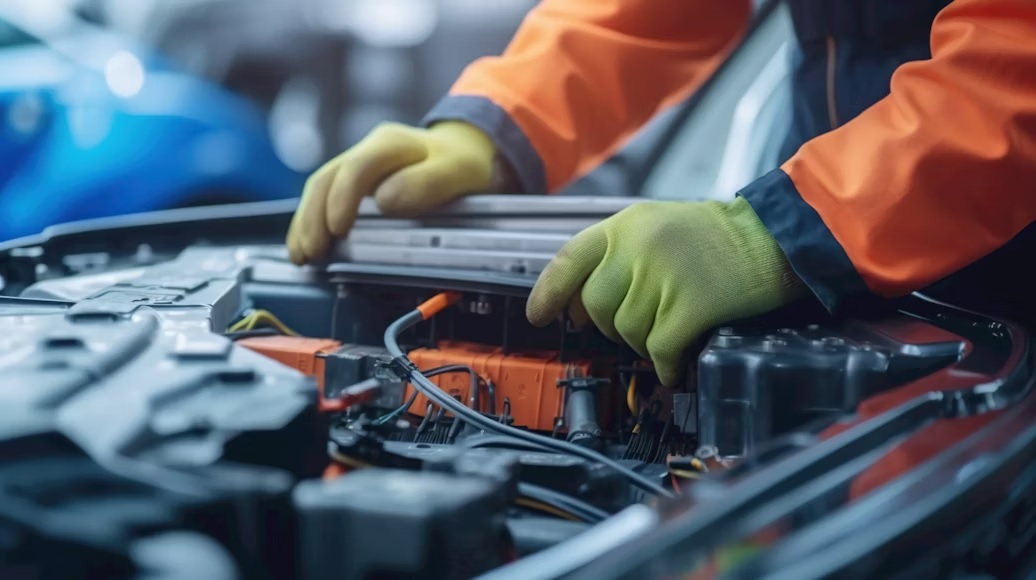
Car wiring is essential for keeping your vehicle’s electrical systems running smoothly, but over time, certain areas are more prone to degradation than others. Understanding where these vulnerable spots are can help you catch problems early and avoid costly repairs down the road.
Where Car Wiring Typically Breaks Down
Engine Bay Wiring and Harnesses
The engine bay is one of the harshest environments for electrical wiring in your vehicle. Wires in this area face constant exposure to extreme heat from the engine, vibrations from moving parts, and potential contact with oil, coolant, and other fluids. These conditions cause insulation to become brittle and crack over time, exposing the copper wire underneath to corrosion and short circuits. The wiring harness that connects various sensors, the alternator, starter motor, and other components is particularly vulnerable because it sits so close to hot engine surfaces.
Heat shields and protective looms can help, but they’re not foolproof. As vehicles age, the rubber grommets and protective coverings deteriorate, leaving wires exposed to even harsher conditions. In Auckland’s humid climate, moisture can penetrate these degraded areas more easily, accelerating the corrosion process. Wires connected to temperature sensors, oxygen sensors, and ignition coils are especially at risk because they operate in the hottest zones of the engine bay.
Regular inspection of engine bay wiring should be part of your maintenance routine. Look for signs like discoloured insulation, cracked plastic coverings, or wires that appear stiff rather than flexible. If you notice any of these warning signs, it’s worth having a professional auto electrician examine the entire harness before a minor issue becomes a major electrical failure.
Door Jamb Wiring
The rubber boots that protect wiring running between the vehicle body and the doors take a tremendous amount of abuse. Every time you open and close your door, the wires inside these boots flex and bend. Over thousands of cycles, this repeated movement causes the copper strands inside the wire to break down through a process called fatigue failure. The insulation also wears thin from the constant friction, eventually exposing bare wire that can short against the metal door frame.
Door jamb wiring is responsible for critical functions including power windows, central locking, side mirrors, and speakers. When these wires degrade, you might experience intermittent problems like windows that work sometimes but not others, or door locks that only function when the door is positioned a certain way. These symptoms often worsen gradually as more copper strands break inside the wire.
The problem is particularly common in older vehicles where the rubber boots have hardened and cracked, no longer providing adequate protection from moisture. Water can enter through these cracks and corrode the connections inside. In Auckland’s climate, where humidity and occasional rain are common, this degradation happens faster than in drier regions. Replacing worn door jamb wiring before it fails completely can prevent frustrating electrical issues and potential safety concerns with power windows or locks.
Underneath the Vehicle
Wiring that runs along the undercarriage of your vehicle faces a unique set of challenges. These wires are exposed to road salt, water splash from puddles, mud, debris kicked up from the road surface, and potential impact from speed bumps or rough terrain. The protective sheathing around these wires can be abraded away by constant contact with small stones and grit, eventually exposing the conductors to moisture and corrosion.
Fuel pump wiring, rear lighting circuits, and trailer connection harnesses are commonly routed underneath vehicles and are particularly vulnerable. The connection points where these wires plug into components are often the first places to fail because moisture can accumulate in the connectors themselves. Corrosion builds up on the terminals, increasing electrical resistance and causing poor performance or complete failure of the connected component.
Vehicles that regularly drive on unsealed roads or through flooded areas are at higher risk for undercarriage wiring problems. Even vehicles that primarily drive on sealed roads in Auckland can experience these issues over time, especially if they’re driven through standing water during heavy rain. A thorough inspection of undercarriage wiring should include checking all mounting clips, protective conduits, and connector seals to ensure everything remains properly secured and protected from the elements.
Battery Terminals and Cables
The battery cables and terminals are often overlooked, but they’re among the most common locations for electrical degradation in vehicles. The positive and negative terminals experience significant current flow, which generates heat during normal operation. This heat, combined with the acidic fumes that naturally emanate from lead-acid batteries, creates an environment that’s highly corrosive to both the terminal clamps and the cable ends.
You’ll often see white, blue, or green crusty deposits building up around battery terminals. This corrosion increases electrical resistance, which means your starter motor receives less power than it needs to crank the engine effectively. In severe cases, the corrosion can become so extensive that the vehicle won’t start at all, even with a fully charged battery. The cables themselves can corrode from the inside out, where moisture enters through tiny cracks in the insulation and works its way along the copper strands.
Modern vehicles with sophisticated electronics are particularly sensitive to voltage drops caused by corroded battery connections. Even a small amount of resistance can cause the engine computer or other control modules to malfunction or store fault codes. Regular cleaning of battery terminals and inspection of cable condition is a simple preventative measure that can avoid unexpected breakdowns and protect expensive electronic components from voltage irregularities.
Behind the Dashboard
The wiring loom behind your dashboard might seem protected from the elements, but it faces its own set of problems. Heat from the sun beating down on the dashboard, combined with the warmth generated by the climate control system and various electronic modules, can cause wire insulation to become brittle over time. This is especially true for vehicles that are regularly parked in direct sunlight in Auckland’s summer months.
Dashboard wiring is densely packed with hundreds of wires running to instruments, switches, the radio, climate controls, and various warning lights. When insulation becomes brittle and cracks, bare wires can contact each other or the metal dashboard frame, causing shorts that blow fuses or create intermittent electrical problems that are notoriously difficult to diagnose. The situation is made worse when aftermarket accessories like stereos, GPS units, or dash cameras are installed without proper connections, often tapping into existing wiring in ways that compromise the insulation.
Moisture can also find its way behind the dashboard through leaking windscreen seals or blocked air conditioning drains. This moisture accelerates corrosion in connector blocks and can cause entire circuits to fail. If you notice unexplained electrical problems with multiple dashboard functions, musty odours inside the cabin, or see moisture on the inside of your windscreen, there’s a good chance that wiring behind the dashboard has been compromised by water intrusion.
Trailer Plugs and Tow Bar Wiring
If your vehicle is equipped with a tow bar and trailer plug, this wiring is highly susceptible to degradation. Trailer plugs are constantly exposed to weather, road spray, and physical damage from being dragged on the ground or knocked during loading activities. The plug terminals corrode easily because they’re rarely protected by covers when not in use, allowing moisture to accumulate inside the connector housing.
The wiring that connects your vehicle’s lighting system to the trailer plug often runs along the underside of the vehicle or through the rear bumper area, where it’s exposed to the same harsh conditions as other undercarriage wiring. The connections where this wiring splices into your vehicle’s existing tail light circuits are common failure points, particularly if the installation wasn’t done professionally. Poor-quality crimp connections or inadequate waterproofing can lead to corrosion that affects not just your trailer lights, but your vehicle’s own rear lighting system.
Even if you rarely tow a trailer, the presence of tow bar wiring can create problems. Water can enter through the trailer socket and travel along the wires into your vehicle’s body, causing corrosion at connection points that might be difficult to access for repairs. Regular inspection and application of dielectric grease to trailer plug terminals can significantly extend the life of this wiring and prevent frustrating roadside issues when you do need to tow.
Around Exhaust Components
Wiring that runs near exhaust pipes, catalytic converters, and mufflers is at constant risk from extreme heat. While manufacturers typically route wiring away from the hottest exhaust components and use heat-resistant sheathing in these areas, over time, mounting brackets can break or sag, allowing wires to droop into contact with hot surfaces. Even proximity to exhaust components without direct contact can cause enough heat to melt insulation or cause it to become brittle and crack.
Oxygen sensor wiring is particularly vulnerable because these sensors must be mounted directly in the exhaust stream to function. The wiring from these sensors uses special high-temperature insulation, but it still degrades over time from the constant heat cycling as the exhaust system heats up and cools down. When this insulation fails, it can cause the oxygen sensor to send incorrect readings to the engine computer, leading to poor fuel economy, rough running, or check engine lights.
Vehicles with aftermarket exhaust systems are at higher risk because the replacement components might route heat differently than the original equipment. This can expose wiring to higher temperatures than it was designed to handle. If you’ve had exhaust work done and subsequently experience electrical problems, there’s a good chance that wiring has been affected by changes in heat distribution around the modified exhaust system.
Important Considerations for Wiring Maintenance
Environmental Factors in Auckland
Auckland’s coastal climate creates specific challenges for vehicle wiring. The combination of humidity, salt air near the coast, and temperature fluctuations accelerates corrosion in ways that might not affect vehicles in drier climates. Salt air is particularly corrosive to electrical connections and can penetrate into areas you might not expect, especially if you regularly drive near the waterfront or beach areas.
Vehicles that are parked outside year-round face more rapid wiring degradation than those kept in garages. Morning dew and moisture from rain can accumulate in electrical connectors and take hours to evaporate, creating ideal conditions for corrosion to form. If your vehicle is regularly parked outdoors in Auckland, more frequent electrical system inspections are worthwhile to catch problems before they leave you stranded.
Age and Mileage Considerations
As vehicles age, wiring degradation becomes increasingly likely regardless of where the wires are located. The plasticizers in wire insulation break down over time, making the coating brittle and prone to cracking. This process happens even if the vehicle sits unused, though it’s accelerated by heat, vibration, and exposure to fluids. Vehicles over ten years old or with more than 150,000 kilometres should receive more thorough electrical inspections as part of regular maintenance.
High-mileage vehicles often show wiring problems in areas that experience the most vibration, such as engine bay harnesses and undercarriage wiring. The constant shaking and movement causes wires to rub against mounting points or other components, wearing through the insulation over thousands of kilometres. What might start as a small worn spot can quickly progress to a complete wire failure if not addressed promptly.
Signs of Wiring Degradation
Recognising the early warning signs of wiring problems can save you from more extensive damage and costly repairs. Intermittent electrical issues are often the first indication that wiring is deteriorating somewhere in the system. If lights flicker, accessories work only sometimes, or problems seem to come and go based on temperature or vehicle movement, degraded wiring is a likely culprit.
Burning smells or the odour of hot plastic should never be ignored, as these indicate wiring that’s overheating due to poor connections or short circuits. Visible corrosion on battery terminals, connector blocks, or around electrical components suggests moisture has penetrated the system and is causing damage. Blown fuses that repeatedly fail even after replacement point to short circuits in the wiring that powers that particular circuit. Any of these symptoms warrant immediate professional inspection to prevent potential electrical fires or complete system failure.
Need Help With Car Wiring Issues?
Understanding where car wiring commonly degrades helps you stay ahead of potential problems and keep your vehicle’s electrical systems functioning reliably. Regular inspections of these vulnerable areas can catch issues before they escalate into expensive repairs or leave you stranded.
As auto electricians in Auckland, we can help you with comprehensive electrical inspections, wiring repairs, and preventative maintenance to keep your vehicle running safely. Contact our team today by calling 09 218 7789 to book an appointment at Eurosparx.