Eurosparx

Categories
Auto Electrical

Do Auto Electricians Change Headlights?

The short answer is yes, auto electricians do usually replace headlights.

They can also typically help with a wide range of issues relating to headlights, including:

Diagnose Wiring Issues

Sometimes, headlight problems stem from faulty wiring rather than the bulb itself. Auto electricians can inspect the wiring system to identify any damage, corrosion, or loose connections and then perform the necessary repairs to restore functionality. This expertise is essential for ensuring the entire lighting system operates safely and reliably.

Replace Bulbs Correctly

Auto electricians are equipped to handle the replacement of all types of headlight bulbs, whether halogen, LED, or HID (High-Intensity Discharge). They follow vehicle specifications to ensure the correct wattage and bulb type are used, which prevents further electrical issues such as blown fuses or overheating sockets.

Inspect and Replace Headlight Assemblies

In some cases, the headlight assembly itself might be damaged or degraded. Auto electricians can assess the assembly for cracks, water ingress, or other damage. If necessary, they can professionally replace the entire unit to restore the headlight’s performance and appearance, ensuring that it aligns with your vehicle’s make and model.

Repair or Replace Relays and Fuses

If your headlights are not functioning because of electrical malfunctions such as blown fuses or broken relays, an auto electrician can identify the exact issue. They will replace these components with compatible parts, ensuring the longevity and reliability of your vehicle’s lighting system.

Adjust Headlight Alignment

Improperly aligned headlights can reduce visibility and pose risks to oncoming drivers. Auto electricians have the equipment and technical knowledge required to adjust the alignment of your headlights, ensuring they illuminate the road effectively without causing glare.

Need Headlight Repairs or Replacement? Trust Eurosparx in New Zealand

Headlights play a crucial role in ensuring your safety on the road, and their maintenance and repair should never be overlooked. As experienced auto electricians in New Zealand, Eurosparx can help with all your headlight repair and replacement needs. From diagnosing electrical malfunctions to upgrading your lighting system, our team is equipped with the tools and expertise to get the job done right.

Contact Eurosparx today by calling 09 218 7789 and let us keep your vehicle safe, reliable, and compliant with New Zealand road standards.

Categories
Auto Electrical

What Is An Auto Electrician And What Do They Do?

What Is An Auto Electrician?

Have you ever thought about the skilled individuals who work behind the scenes to ensure your vehicle’s electrical system runs smoothly?

An auto electrician is the unsung hero who troubleshoots and fixes issues in your car’s nerve centre. Their expertise in handling wires and circuits is essential for keeping your wheels turning without any hitches.

But what exactly does their job involve?

Let’s explore the world of auto electricians and discover the crucial role they play in maintaining the roadworthiness of your vehicle.

What Is An Auto Electrician?

Auto electricians specialise in diagnosing and fixing electrical systems in different types of vehicles. They work on a variety of vehicles, such as lorries, agricultural vehicles, and construction vehicles.

Using specialised equipment, auto electricians test and identify faults in vehicle electrical systems. They’re skilled in making necessary adjustments to engine systems to ensure optimal performance.

Additionally, auto electricians provide valuable advice to vehicle owners regarding essential repairs and improvements to electronic systems. Their expertise is crucial in maintaining the functionality and safety of the vehicles they work on.

The Duties and Responsibilities Of Auto Electricians

To grasp the main duties and responsibilities of an auto electrician, it’s important to understand their essential role in ensuring the proper functioning of various vehicle electrical systems. Auto electricians are experts in identifying and fixing electrical issues in vehicles, including diagnosing faulty components and systems. They’re in charge of fitting new electrical systems, upgrading existing ones, and performing diagnostic tests on vehicle electrical systems to guarantee optimal performance.

Additionally, auto electricians offer valuable advice to customers on electrical problems and ensure that all electrical components are operating correctly. They work on a wide range of vehicle systems such as ignition, fuel injection, heating, air-conditioning, lighting, and stereo systems. By adjusting electronic systems and components, auto electricians significantly contribute to enhancing vehicle performance. Their proficiency in vehicle electrical systems is crucial for maintaining vehicles running smoothly and efficiently.

Conclusion

Auto electricians are essential for maintaining vehicles by identifying and repairing electrical problems. Their expertise ensures that ignition and fuel injection systems work efficiently.

If you’re having an issue with your car’s electrical system, speak to us today by calling 09 218 7789 or emailing info@eurosparx.co.nz.

Categories
Auto Electrical

How to Know If You Have A Faulty ECU (Computer)

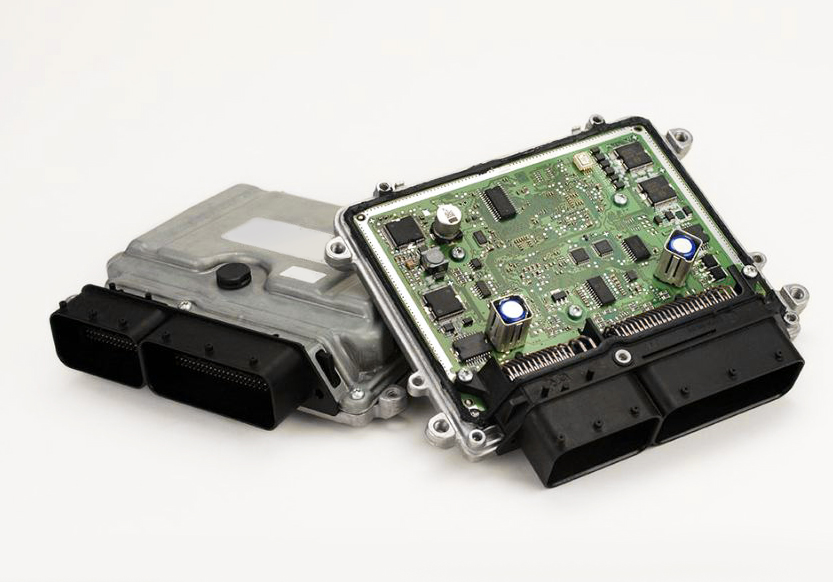
The ECU, also known as the computer, DME or ECM, is the main unit that controls your motor and allows it to run. When it starts to fail, your car won’t run right, or might not run at all. Here is why and how it fails, and how you can find out if that’s the problem.

How to Tell If You Have a Faulty ECU (Computer)

Common Symptoms ECU Failure
When your ECU starts failing, you will usually notice at least one of the following symptoms (sometimes more than one):

  • Check engine light comes on
  • Erratic idle
  • Engine turning off for no reason (stalling)
  • Intermittent starting problems
  • Overheating ECU
  • Connection issues between the ECU and the diagnostic scanner
  • Engine won’t start at all
  • Excessive fuel usage
  • Poor running condition of the motor

If you are experiencing any of these issues with your car, the first step you should take is to get the car scanned with a diagnostic tool. This will reveal if the ECU has produced any error codes and may tell you if the ECU is having problems or has failed. However, if the ECU has completely died, the scanner won’t be able to scan anything. This itself can be a sign that the ECU is dead.

If the scanner was unable to connect with the ECU to do a scan, the next step is to test to ensure the ECU is still plugged in properly and that it is getting a strong power and ground signal. This simple test can be done with a multimeter once you know which pins should be getting power and ground on the ECU plug (a simple internet search should tell you for your particular car).

If it is getting power and ground, the best test is to get a known working ECU and replace yours to see if that fixes the problem. If it does, you’ve had a bad ECU. If it doesn’t, the issue lies elsewhere.

Keep in mind that if this does fix the problem, it may pay to get the car checked out, because there was a reason the ECU died in the first place. You don’t want it to happen again.

If you are not getting power and ground, something else is causing the problem, such as a fuse or relay. Diagnosing this can get complicated fast, so unless you have experience it is probably best to go see an auto electrician.

If the scan revealed issues with the ECU, then you’ve got your answer and will have to replace the ECU.

If you are having electrical problems with your car, come and see us at Eurosparx. We have the latest tools and equipment to scan and diagnose all European and Japanese vehicles and can have a look at yours to let you know if you need a new ECU or if it can be repaired.


Categories
Auto Electrical

How to Quickly Test Your Car Battery to See If It’s Faulty

If you think that your car’s battery is faulty, here is a simple test you can do which will reveal if it is or not. You only need a simple multimeter (and possibly a friend) to complete this test.

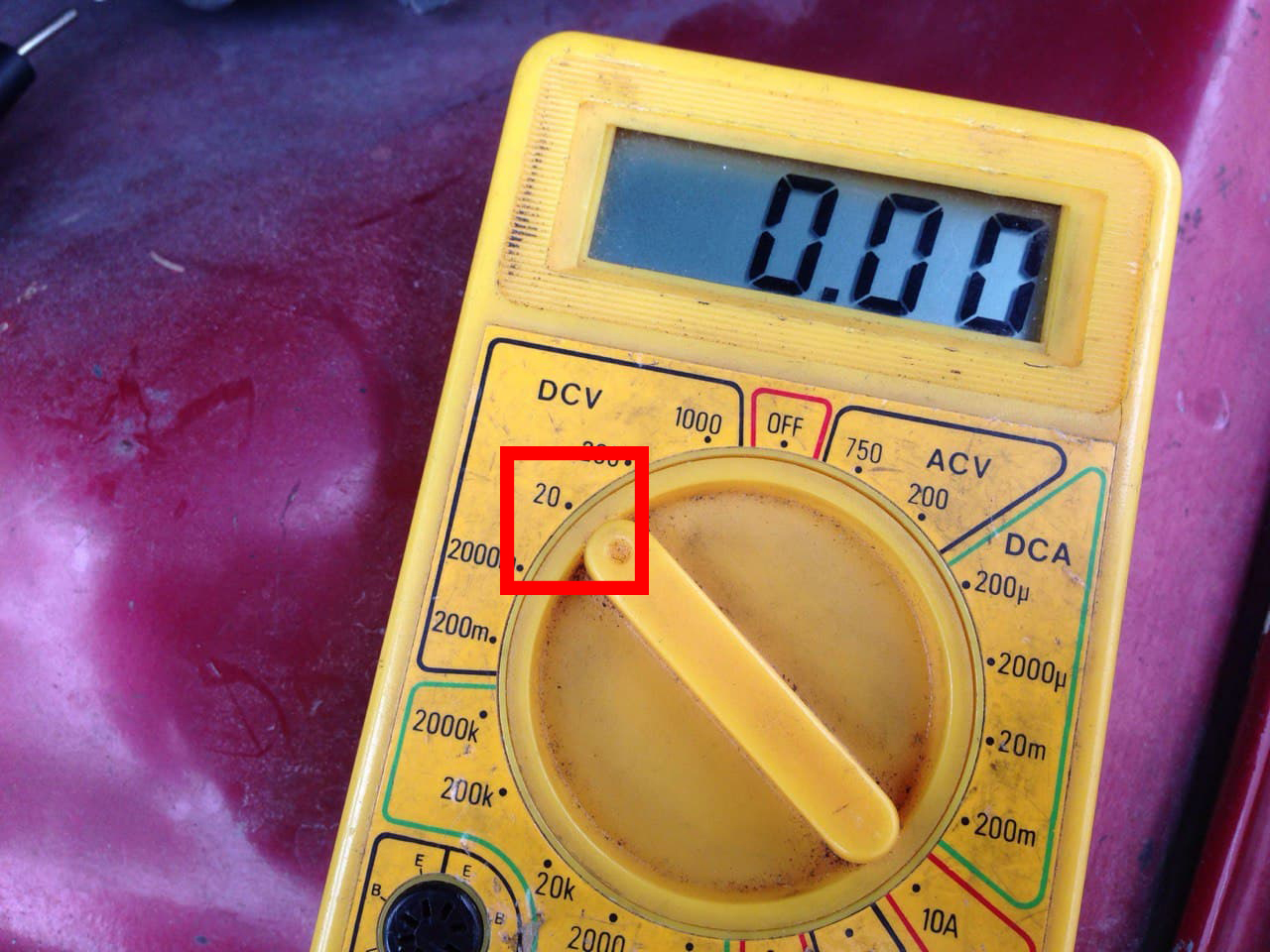
  1. Grab your multimeter, and if it’s not autoranging, set it to 20V DC.
    How to set your multimeter to test your car battery
  2. Turn off the ignition and any accessories that are still on, like lights, radio etc.
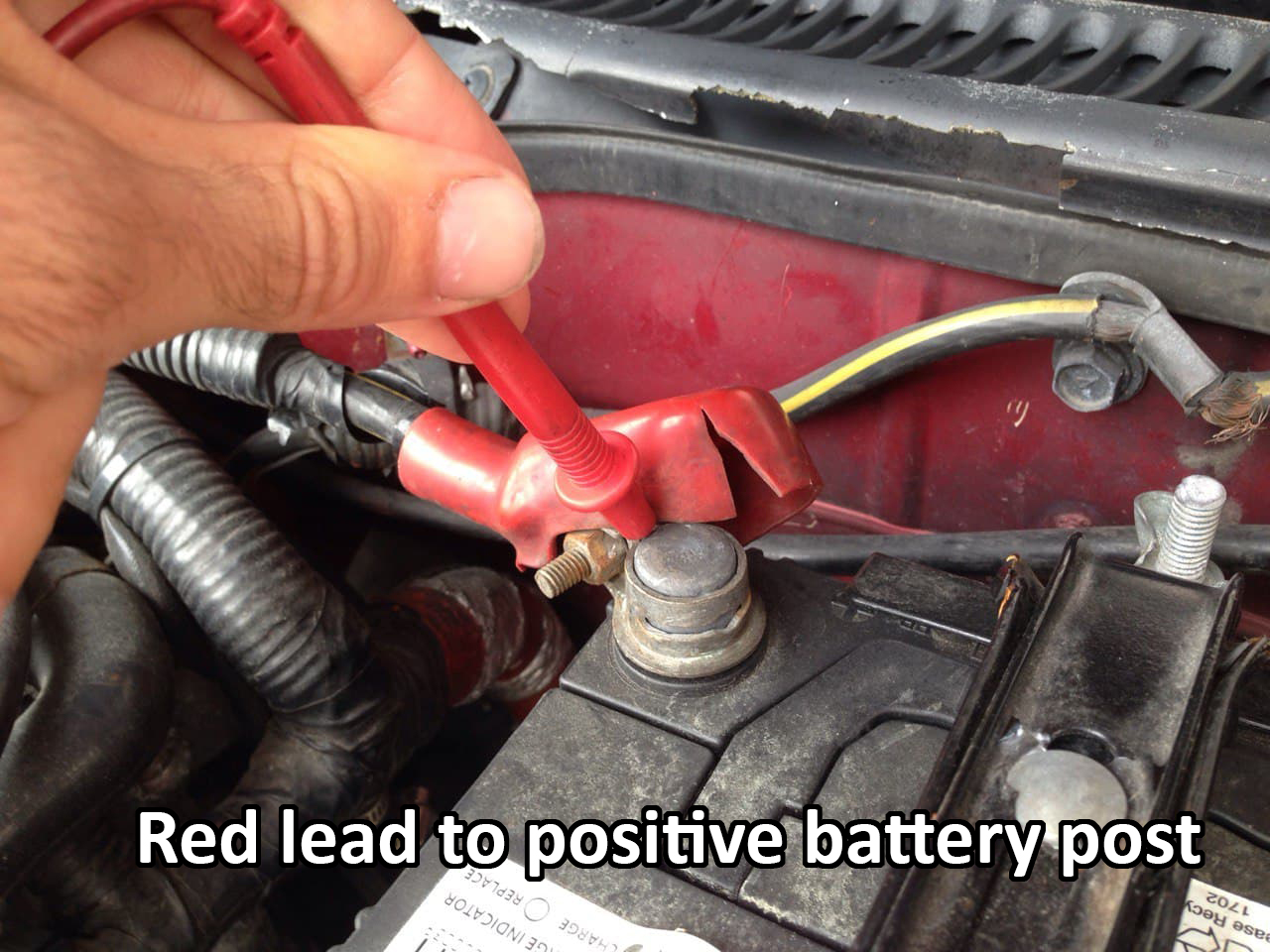
  3. Take the red lead of the multimeter and put it on the positive post of the battery
    Placing positive lead on positive battery post
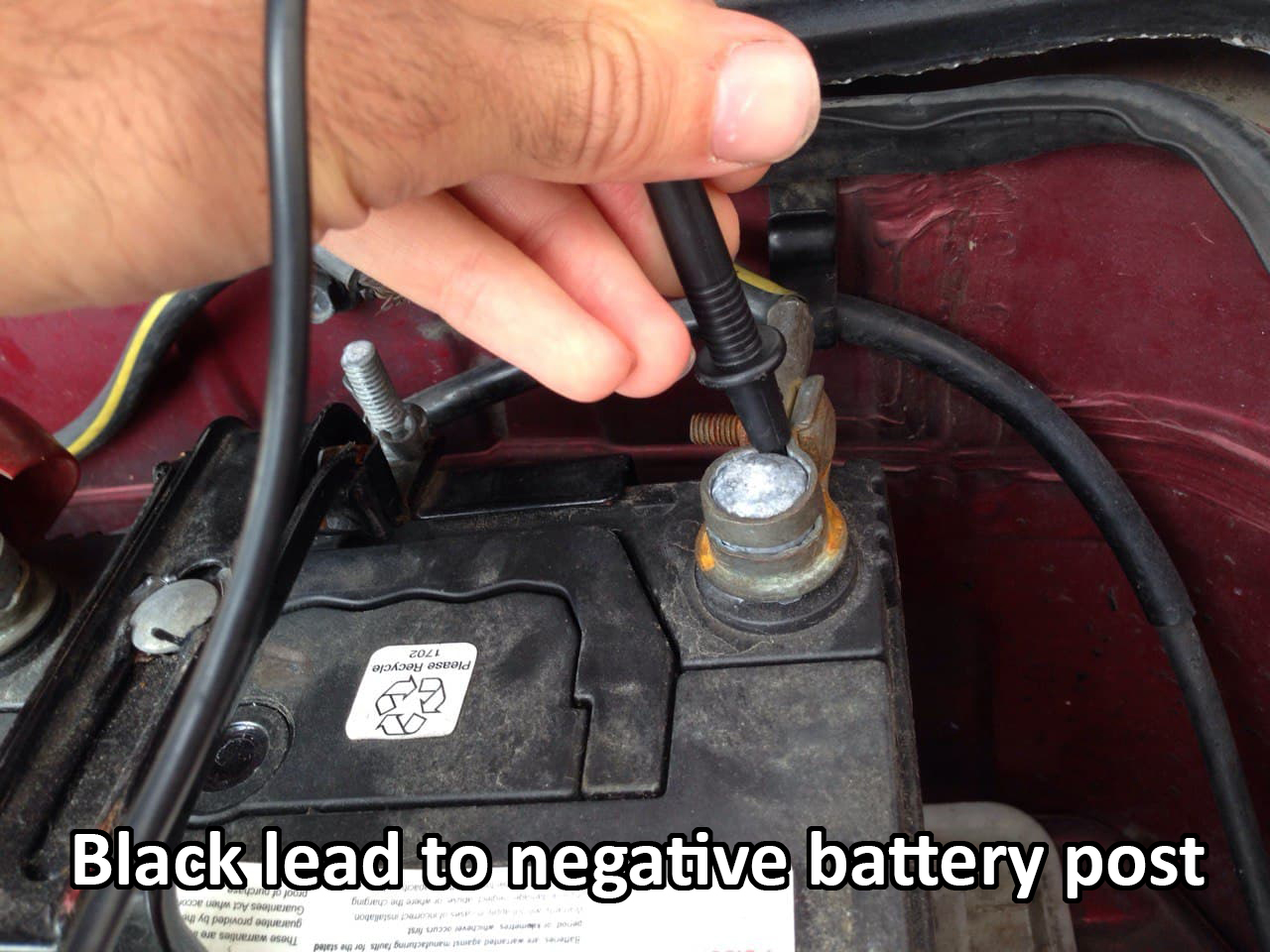
  4. Take the black lead of the multimeter and put it on the negative post of the battery.
    Placing negative lead on the negative battery post
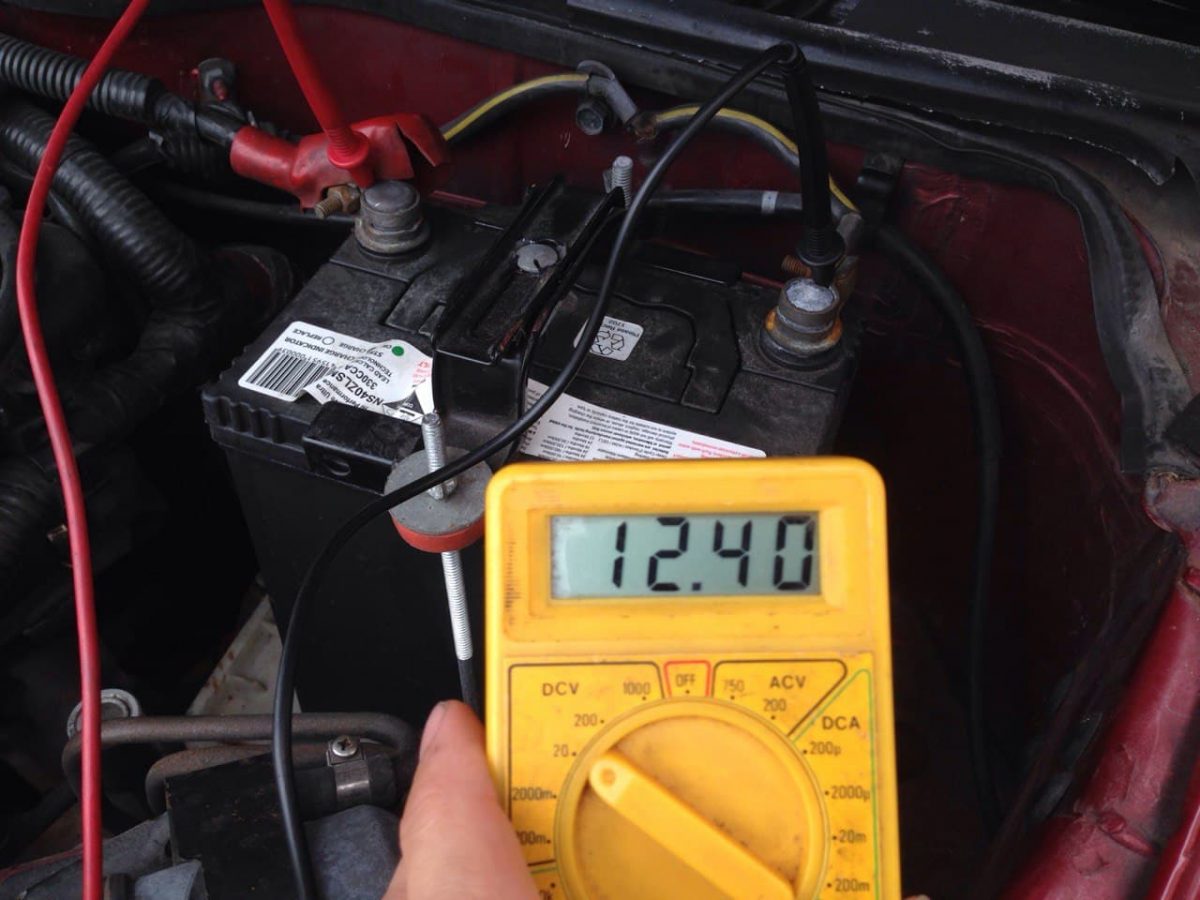
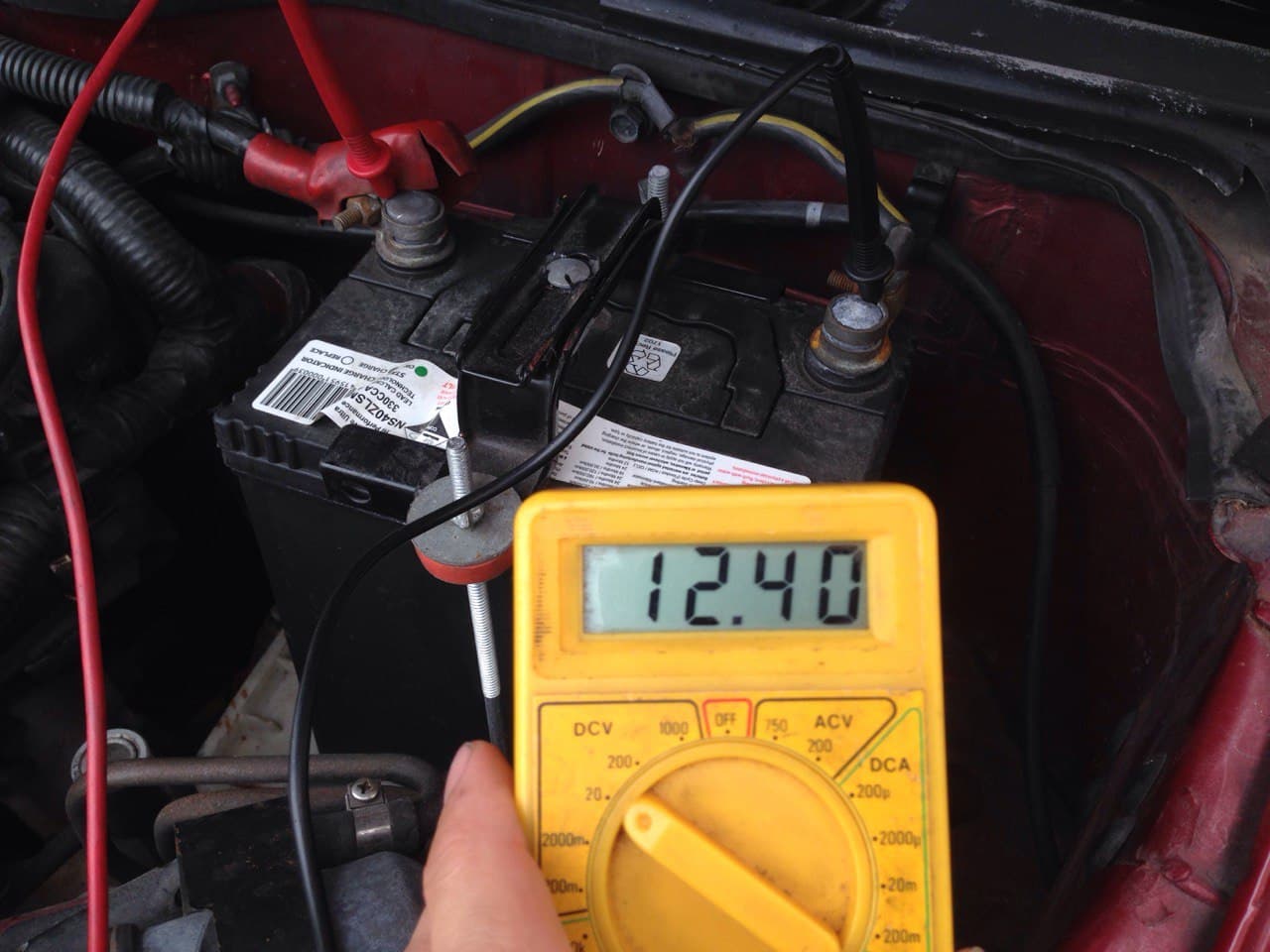
  5. Now see what the multimeter says. If it is showing anything below 12.4 volts, your battery could be faulty or needs to be charged.
    Multimeter reading of your car battery

If the battery has consistently been getting flat and it’s showing less than 12.4v on the test above, then odds are it needs to be replaced.

One further test you can do is a cranking test:

  1. Follow steps 1&2 above, then disable your vehicle’s ignition or fuel system (a quick way to do this is to full the fuel pump fuse out). This will allow the vehicle to crank without firing, which is what we need.
  2. Place the leads of the multimeter on the battery posts like before, red on positive and black on negative.
  3. Have your friend/helper to crank the car – for no longer the 15 seconds – and see what the multimeter says. If the voltage drops below 9.6 volts, you’ve got a weak battery on your hands.

One last quick tip. If you are seeing a negative reading on your multimeter (such as -12.6v), it means you have connected the multimeter leads the wrong way round to the battery. Don’t worry, this won’t cause any problems, it will just show you a negative reading.

If you’ve performed these tests and find you have a weak battery, give us a call now on 09 218 7789 and we will be able to sort you out a quality replacement car battery for an excellent price.