
Eurosparx

Categories
Auto Electrical

Things to Know Before Installing an Inverter in Your Vehicle

Installing an inverter in your vehicle is a smart upgrade if you’re looking to power electronic devices, tools, or other appliances while on the go. Whether you’re planning a road trip, working out of your vehicle, or need a robust power solution for emergencies, there are several critical factors you need to consider before making this investment. In this article, we’ll cover everything you need to know before installing an inverter in your vehicle, specifically focused on New Zealand conditions and requirements.

Choosing the Right Inverter for Your Vehicle

Understand Your Power Requirements

Before you select an inverter, it’s important to determine exactly what devices or appliances you plan to run from the inverter. Inverters are available in different output capacities—measured in watts—and choosing the correct size depends on the combined power draw of all devices. For example, if you want to power a laptop (60W), a microwave (1000W), and a phone charger (10W), you’ll need an inverter with a minimum capacity of 1100W. It’s advisable to add a surplus margin of 20-30% to handle power surges common with appliances like kettles or refrigerators.

Pure Sine Wave vs Modified Sine Wave Inverters

When buying an inverter, you’ll encounter two main types: pure sine wave and modified sine wave. Pure sine wave inverters provide clean and stable power, similar to what you get from a household outlet. This type is suitable for sensitive electronics like laptops, medical devices, or audio equipment. Modified sine wave inverters are less expensive but may cause problems or inefficiencies with certain appliances. Depending on your usage—in particular if you’re in a professional trade or have specific power-sensitive needs—a pure sine wave inverter is often worth the investment for vehicles in New Zealand.

Installation Considerations for Vehicle Inverters

Assess Your Vehicle’s Electrical System

Not all vehicles are ready to handle the power load from an inverter, especially high-capacity units. You’ll need to examine your vehicle’s battery capacity and alternator output. In some cases, a dual-battery system might be necessary to prevent draining your primary starter battery. This is particularly relevant if you plan to run devices while the engine is off. In New Zealand’s colder climates, battery health is critical—installing an inverter without understanding drain risks could leave you stranded with a dead battery.

Wiring and Placement

Proper wiring is crucial for safety and performance. An inverter must be installed using adequately rated cables, fuses, and circuit protection to prevent overheating or fire hazards. The inverter’s location in the vehicle should also ensure proper ventilation, easy access, and moisture protection. It’s common practice in New Zealand tradesmen’s vehicles to mount inverters in sheltered compartments with airflow gaps. Incorrect installation can lead to overheating or electrical short circuits.

Hire a Professional Auto Electrician

Because of the risks involved with incorrect installation, it’s always recommended to have a qualified auto electrician handle the inverter setup. In New Zealand, professionals like Eurosparx can ensure all connections comply with local standards and won’t void your vehicle’s insurance or warranty. They will also test the system after installation, giving you peace of mind that everything is functioning safely.

Legal and Compliance Considerations in New Zealand

Vehicle Modifications and Certification

Adding an inverter may constitute a modification under New Zealand Transport Agency guidelines. If the setup affects your vehicle’s structure or introduces complex wiring changes, Vehicle Inspection Requirements may apply. In some cases, a Low Volume Vehicle (LVV) certification might be needed. Failing to meet these guidelines could affect your vehicle’s warrant of fitness (WoF) status or reflect poorly during an inspection.

Insurance and Mains Power Safety

When adding high-powered electrical equipment, it’s important to inform your vehicle insurer. Non-disclosure of modifications can lead to rejected claims. Furthermore, connecting to mains power—for example, recharging an auxiliary battery via shore power—must comply with AS/NZS electrical standards. Professional installation protects against these risks and ensures that your vehicle setup is not in breach of any safety or insurance guidelines.

Battery Management and Inverter Usage Tips

Battery Type and Health

Vehicle inverters draw their power from the battery system. Deep-cycle AGM or lithium batteries are preferred over traditional lead-acid types due to better discharge and recharge capabilities. Regular monitoring of battery health is important—especially in colder parts of New Zealand where performance can degrade faster. Make sure your battery is in good condition and has enough capacity to support both startup and continuous loads of the devices you intend to use.

Smart Charging Solutions

Modern vehicles can use DC-DC chargers or solar panels to maintain battery life when using an inverter. If you expect to use your inverter often, consider adding an advanced charging solution to your vehicle. These systems will keep your batteries topped up, extending the life of both the inverter and your power supply. Integrating solar is especially popular in New Zealand among campers and those travelling to remote areas with limited access to mains power.

Low Voltage Disconnects and Alarms

Some inverters include features like low voltage disconnects, which automatically shut down the inverter if battery voltage gets too low. This helps prevent unnecessary battery drain that could leave your vehicle unable to start. Alarms or display panels that monitor voltage and consumption are also useful. They provide real-time updates, helping you manage your power consumption more effectively—particularly helpful during longer trips or when using multiple devices simultaneously.

Cost Considerations and Long-Term Benefits

Initial Investment and Total Cost

The upfront cost of an inverter installation in New Zealand can vary based on the inverter size and complexity of installation. A basic setup might range from $300-$800, while a fully integrated system with dual-battery management and solar charging could exceed $2000. It’s crucial to view this not just as a purchase but as a long-term solution offering utility and convenience in many scenarios—from job sites to road trips to emergency preparedness.

Increased Vehicle Versatility

Having an inverter dramatically increases your vehicle’s usability. Tradespeople can power tools on-site, travellers can charge devices overnight, and families can run small appliances on the go. With properly installed systems, there’s minimal disruption to factory systems, making it a safe and sustainable upgrade. In contexts like outdoor camping or disaster preparedness—common concerns in various parts of New Zealand—having an onboard power source is a major asset.

Need Help Installing an Inverter in Your Vehicle?

Installing an inverter in your vehicle opens up a world of convenience, but only when done correctly. With the many technical, safety, and legal factors to think about, professional installation is the best way to ensure you get a reliable setup. As expert auto electricians in New Zealand, we at Eurosparx can help you select and install the right inverter for your needs. Contact our team today by calling 09 218 7789.
Categories
Car Batteries

How to Prevent Electrical Issues After Jump-Starting a Vehicle

Jump-starting your car can be a lifesaver when you’re stuck with a flat battery, but it’s not the end of the story. If done incorrectly or if follow-up care is ignored, jump-starting can lead to a range of electrical problems in your vehicle. In this article, we’ll break down how to prevent electrical issues after jump-starting your car, with tips and advice tailored specifically for New Zealand conditions and vehicle types commonly found here.

Steps to Take Immediately After Jump-Starting

Drive for at Least 20 Minutes

Once your vehicle is up and running again, it’s crucial to let the alternator recharge the battery properly. Drive for at least 20 to 30 minutes to allow the alternator time to deliver a sufficient charge to the battery. Simply letting the car idle won’t be as effective, especially if electronic accessories like the radio or air conditioning are turned on. A proper drive will help restore the battery’s charge, reducing the chances of another flat battery the next time you try to start the car.

Turn Off Unnecessary Electronics

Immediately after the jump-start, turn off electronics such as the air conditioning, stereo, lights, and heaters. These systems draw power that could otherwise go towards recharging the battery. Giving your battery the best chance to regain its charge quickly is vital for protecting sensitive electrical components and preventing further issues.

Checking and Monitoring the Battery

Inspect for Corrosion and Loose Connections

Before or after a jump-start, inspect the battery terminals for corrosion or loose connections. Corrosion can prevent the battery from getting a solid charge, while loose terminals may create intermittent connectivity, leading to sudden power losses or surges. Cleaning the terminals with a mixture of baking soda and water and tightening the clamps can make a big difference.

Test the Battery’s Health

While your car may have started, the battery could still be weak or on the verge of failure. Use a multimeter to check the battery voltage once the car is off. A healthy battery should read around 12.6 volts. If it reads significantly lower, the battery might need to be replaced. Many auto electricians in New Zealand, including Eurosparx, can perform a professional battery health check for better accuracy.

Watch for Repeated Flat Batteries

If your car frequently needs a jump-start, that is a clear sign something’s wrong—possibly a dying battery or an underlying electrical drain. Simply continuing to jump-start the vehicle each time won’t fix the issue and can lead to serious damage. It’s best to consult with an auto electrician to diagnose and resolve the root cause.

Safe Jump-Starting Techniques to Prevent Damage

Use the Correct Jump-Start Procedure

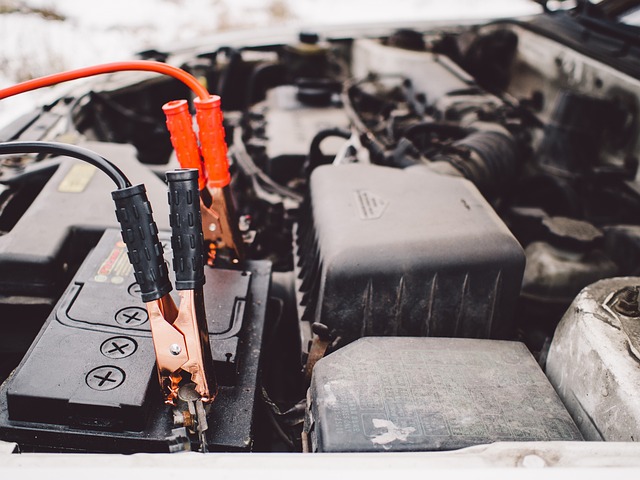
Always follow the recommended order when connecting jumper leads: positive to positive, negative to a ground on the dead car (not the battery), and the reverse order when disconnecting. Incorrectly connecting cables can trigger large voltage surges, potentially damaging the vehicle’s sensitive electronics such as onboard computers, radios, or navigation systems.

Invest in Quality Jump Leads

Cheap or worn jumper leads may not only be ineffective but can cause arcing or overheating that leads to electrical shorts. High-quality, insulated jumper cables with thick gauge wiring ensure a safe and efficient transfer of power. If you’re not confident, professional services like Eurosparx offer jump-start and fault-diagnosis services across the Auckland region and beyond.

Keep an Eye on Vehicle Electronics Post Jump-Start

Monitor the Dashboard for Warning Lights

After a jump-start, pay close attention to any new warning lights on your dash, especially the check engine light, battery light, or any error messages. These could indicate that your vehicle’s electronic control unit (ECU) registered a fault during the jump-start, or that something wasn’t reset correctly. Make a note of the warning and seek advice from an auto electrician as soon as possible.

Check Secondary Electronic Systems

Sometimes non-critical systems like infotainment units, power windows, or automatic clocks may reset or behave erratically after a jump-start. In most cases, these can be resolved by resetting the system manually or with a diagnostic scan tool. Persistent issues, however, may hint at deeper electrical disturbances and should be checked by a professional.

Preventing Future Electrical Problems

Regular Battery Maintenance

Make checking your battery and terminals a regular part of your vehicle maintenance routine. In New Zealand conditions, especially with our mix of rural and urban driving, batteries can deteriorate faster due to frequent short trips or climate fluctuations. Periodic maintenance prevents premature problems and extends battery life.

Address Parasitic Battery Drains

Parasitic drains happen when electronic devices in the vehicle continue drawing power even after the car has been turned off. Common culprits include dash cams, GPS units, and aftermarket stereo systems. A qualified auto electrician can perform a parasitic draw test to locate and fix the source of the problem before the battery is permanently affected.

Install a Battery Monitor or Isolator

Consider installing a voltage monitor or battery isolator, especially if your vehicle has multiple accessories or is used frequently off-road or for camping. These systems prevent your main starting battery from being drained by auxiliary systems, keeping your vehicle ready to start when you need it most. These systems are particularly useful in the New Zealand context, where vehicles are often used for outdoor activities requiring AC/DC accessories.

Understanding Electrical System Vulnerability Post Jump Start

Sensitive Electronics at Risk

Modern vehicles include dozens of sensitive electronic modules, and even a slight surge from an incorrect jump-start can interrupt their function or even damage them. Control units for the airbags, anti-lock braking system (ABS), and transmission are especially sensitive to voltage spikes.

Potential for ECU or Module Reset

The engine control unit and other computer modules may reset or misbehave post jump-start, particularly if voltage levels become unstable. While some vehicles will recalibrate over time, others may require a manual reset using a professional scan tool. Eurosparx offers specialised ECU diagnostics to address these issues reliably.

Fuses and Relays May Blow

Another post jump-start issue can be blown fuses or malfunctioning relays, especially if the jump was done in haste or with poor-quality cables. Symptoms can range from simple things like power windows not working to more serious problems like the car not starting again. Finding and replacing blown fuses yourself isn’t always easy, and professional help may be required for proper diagnosis and repair.

How the New Zealand Climate Affects Battery Performance

Cold and Wet Conditions

New Zealand’s winter months, especially in the South Island or higher elevations, can be tough on batteries. Cold conditions slow down chemical reactions in batteries, reducing their performance. Batteries that are already weak can fail completely under these conditions, requiring a jump-start and increasing the risk of post-start electrical issues. Getting your battery tested before winter sets in can prevent unexpected failures.

High Humidity and Corrosion

New Zealand’s coastal climate means higher humidity levels, which can lead to corrosion around battery terminals and electrical connectors. Corrosion increases electrical resistance, making it harder for the starter motor to do its job and can lead to damage during a jump-start due to arching or heat. Regularly cleaning terminals and using corrosion-resistant sprays can help keep the system healthy.

Need Help Preventing Electrical Issues in Your Car?

Taking the right steps after jump-starting your vehicle can save you from a host of electrical headaches down the road. From monitoring battery health to checking for electronic faults, preventative care is key.

As expert auto electricians in New Zealand, Eurosparx can help diagnose, repair, or prevent electrical problems after a jump-start. Whether you need a battery test, ECU scan, or professional assistance, call us today on 09 218 7789 to keep your car running smoothly and reliably.