
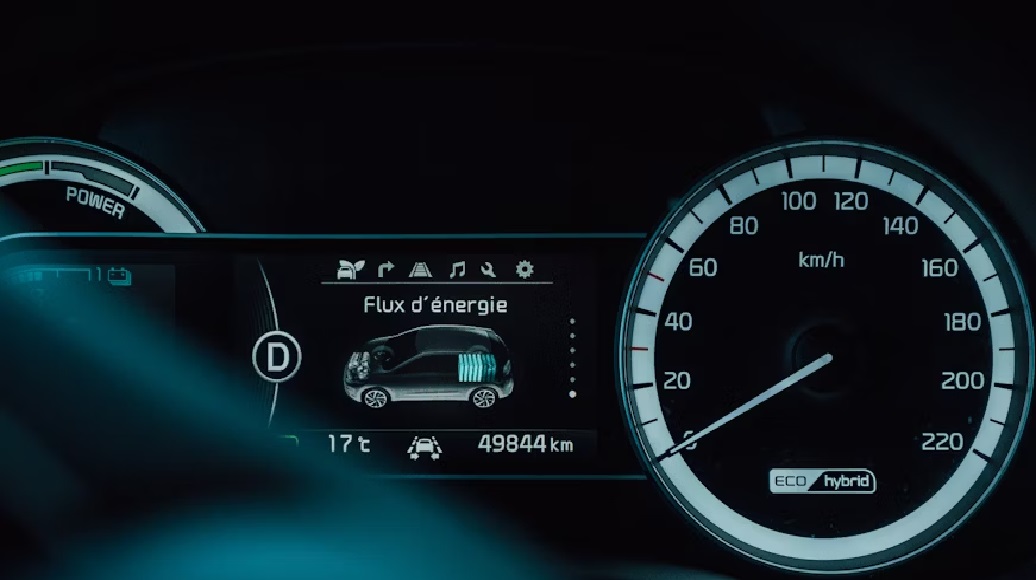
When you replace an instrument cluster in your vehicle, programming is almost always necessary to ensure it functions correctly with your car’s systems. Modern instrument clusters are sophisticated electronic modules that communicate with multiple vehicle systems, and simply swapping in a new unit without proper programming can lead to incorrect readings, warning lights, or complete failure of the cluster to work. This article explains what’s involved in instrument cluster programming after replacement and what Auckland vehicle owners need to know about the process.
Why Programming Is Essential After Cluster Replacement
Modern vehicle instrument clusters are far more complex than the simple mechanical gauges of older vehicles. Today’s clusters are integrated electronic control units that must be programmed to match your specific vehicle’s configuration. Without proper programming, the new cluster won’t be able to communicate correctly with your car’s engine control unit, anti-lock braking system, airbag module, and other critical components.
The programming process involves configuring the cluster to recognise your vehicle’s VIN (Vehicle Identification Number), matching it to the correct software version for your make and model, and ensuring it can properly interpret data from all connected systems. This synchronisation is crucial because the cluster needs to display accurate information about speed, fuel level, engine temperature, and various warning systems. If the cluster isn’t programmed correctly, you might see constant warning lights, incorrect mileage readings, or gauges that don’t respond at all.
Also, the cluster must accurately reflect the vehicle’s true mileage, and proper programming ensures this information is correctly transferred from the old unit to the new one.
The Programming Process Explained
Programming a replacement instrument cluster requires specialised diagnostic equipment and software that can interface with your vehicle’s onboard computer systems. The process begins with connecting a professional-grade scan tool to your vehicle’s OBD-II port, which allows communication between the programming device and your car’s electronic control modules. This isn’t something that can be done with basic code readers available at auto parts stores; it requires dealer-level or equivalent professional equipment.
Once connected, the technician must first identify the exact specifications of your vehicle, including the model year, engine type, transmission, and any optional equipment that affects the cluster’s configuration. This information determines which software parameters need to be programmed into the new cluster. The technician then accesses the cluster’s programming module through the diagnostic software and begins the configuration process, which typically involves writing the vehicle’s VIN to the new cluster, setting the correct mileage, and enabling the appropriate features for your specific vehicle.
The programming session also includes synchronising the cluster with security systems, particularly the immobiliser system that prevents unauthorised starting of your vehicle. Many modern vehicles have anti-theft features built into the instrument cluster, and these must be properly coded to recognise your vehicle’s keys. If this step isn’t completed correctly, your car may not start even though the cluster appears to be working normally.
Mileage Transfer and Legal Requirements
One of the most critical aspects of instrument cluster programming is the accurate transfer of mileage from the old cluster to the new one. In New Zealand, odometer tampering is illegal under the Land Transport Act, and accurate mileage recording is essential for vehicle history, resale value, and consumer protection. When a qualified auto electrician programs your replacement cluster, they document the original mileage and ensure it’s correctly programmed into the new unit.
The programming equipment used by professional technicians creates a permanent record of the mileage transfer, which provides legal protection for both the vehicle owner and the technician performing the work. This documentation is important if you ever need to prove the vehicle’s history or if questions arise during a sale. Auckland vehicle owners should always request written confirmation of the mileage transfer when having cluster replacement work done.
Some vehicle manufacturers have specific procedures for mileage verification that must be followed during cluster replacement. These procedures often require the technician to photograph or document the old cluster’s mileage before removal and then verify that the same mileage is displayed on the new cluster after programming. Reputable auto electricians follow these protocols to ensure compliance with New Zealand regulations and to protect their customers from potential legal issues.
Vehicle-Specific Programming Requirements
Different vehicle manufacturers have varying levels of complexity when it comes to instrument cluster programming. European vehicles such as BMW, Mercedes-Benz, Audi, and Volkswagen typically require manufacturer-specific software and coding procedures. These systems often have encrypted communication protocols that can only be accessed with proprietary diagnostic tools or equipment that’s been specifically programmed to work with these makes.
Japanese manufacturers like Toyota, Honda, Nissan, and Mazda generally have more straightforward programming procedures, but they still require professional equipment and knowledge of the specific programming steps for each model. Some of these vehicles require initialization procedures after programming, where the technician must follow a specific sequence of button presses or ignition cycles to complete the configuration. Missing these steps can result in incomplete programming that causes persistent warning lights or system malfunctions.
American and Korean vehicles from brands like Ford, Holden, Chevrolet, Hyundai, and Kia have their own programming requirements that vary significantly between models and years. Some newer vehicles from these manufacturers require online authentication with the manufacturer’s servers during the programming process, which means the programming equipment must have internet connectivity and valid subscriptions to the manufacturer’s technical services. This is why attempting DIY cluster programming rarely works with modern vehicles—the process requires not just the equipment, but also access to manufacturer databases and current software versions.
Common Issues After Improper Programming
When an instrument cluster isn’t programmed correctly, a range of problems can occur that affect both the cluster’s functionality and other vehicle systems. One of the most common issues is persistent warning lights that won’t clear, even when the underlying systems are functioning perfectly. This happens because the cluster isn’t properly configured to communicate with the various control modules, so it interprets the communication errors as system faults and illuminates warning lights accordingly.
Incorrect gauge readings are another frequent problem resulting from improper programming. The speedometer might show speeds that don’t match your actual velocity, the fuel gauge might give false readings about how much petrol remains, or the temperature gauge might not respond to engine temperature changes. These incorrect readings aren’t just annoying—they can lead to running out of fuel unexpectedly, not noticing engine overheating, or receiving speeding tickets because you’re driving faster than your speedometer indicates.
In some cases, improper programming can cause more serious issues with vehicle operation. The engine might run in a limp mode with reduced power because the cluster isn’t communicating correctly with the engine control unit. The anti-lock braking system might not function properly, or the airbag system might be disabled because the cluster can’t verify the system’s status. For Auckland drivers, these issues can prevent your vehicle from passing its warrant of fitness inspection, leaving you unable to legally drive until the problems are resolved.
Used Versus New Cluster Programming
When replacing an instrument cluster, you have the option of using either a new unit from the manufacturer or a used cluster from a wrecking yard. The programming requirements differ significantly between these options, and understanding these differences helps you make an informed decision about which route to take.
New clusters from the manufacturer typically come completely blank and unprogrammed, which actually makes them easier to program in some ways. The technician starts with a clean slate and programs all the necessary information without having to clear previous vehicle data. However, new clusters are considerably more expensive, often costing several hundred to over a thousand dollars depending on the vehicle make and model. The advantage is that you receive a unit with no previous history, full warranty coverage, and the assurance that all components are in perfect working condition.
Used clusters require an additional step called “virginising” or “unlocking” before they can be programmed to your vehicle. This process removes the previous vehicle’s data and security coding from the cluster, essentially resetting it to a blank state. Not all clusters can be successfully virginised, and some vehicle manufacturers have implemented security measures specifically designed to prevent reuse of used clusters. For Auckland vehicle owners looking to save money, used clusters can be a viable option, but only if your auto electrician has the equipment and expertise to properly unlock and reprogram the unit. The risk is that you might purchase a used cluster that turns out to be incompatible or impossible to reprogram for your specific vehicle.
Time and Cost Considerations
The time required to program a replacement instrument cluster varies depending on the vehicle make, model, and the complexity of its systems. For most vehicles, the physical replacement of the cluster takes between one to three hours, which includes removing the dashboard trim, disconnecting the old cluster, installing the new one, and reassembling everything. The programming process itself typically adds another one to two hours, though some vehicles with particularly complex systems might require additional time.
Cost for instrument cluster programming in Auckland generally ranges from $150 to $400 for the programming labour alone, separate from the cost of the cluster itself and the physical installation labour. Vehicles that require manufacturer-specific software or online authentication may cost more due to the licensing fees and subscription costs associated with accessing these systems. European luxury vehicles often fall into the higher end of the price range because of their complex coding requirements and the specialised equipment needed.
It’s worth noting that attempting to save money by installing a cluster without proper programming usually ends up costing more in the long run. You might initially save the programming fee, but you’ll likely face ongoing problems that require multiple diagnostic sessions and additional repairs. Auckland drivers should consider proper programming as an essential part of the cluster replacement process, not an optional extra. The investment in correct programming ensures your vehicle operates safely and legally, maintains its resale value, and passes warrant of fitness inspections without issues.
Warranty and Quality Assurance
When having your instrument cluster programmed, it’s important to understand what warranty coverage applies to both the parts and the programming work. Reputable auto electricians provide warranties on their programming services, typically covering any programming errors or communication issues that arise from the installation work. This warranty should include remedying any problems with the cluster not communicating correctly with vehicle systems, warning lights that appear due to programming errors, or issues with mileage accuracy.
The cluster itself should also come with warranty coverage, though the terms differ significantly between new and used units. New clusters from manufacturers usually include a warranty period of one to three years, covering defects in materials and workmanship. Used clusters might come with a limited warranty from the supplier, often ranging from 30 days to six months, or they might be sold “as is” with no warranty at all. Auckland vehicle owners should clarify warranty terms before proceeding with the work, ensuring they understand what’s covered and for how long.
Quality assurance after programming should include thorough testing of all cluster functions before the vehicle is returned to you. A professional technician will verify that all gauges respond correctly, warning lights illuminate during the bulb check and then extinguish, the odometer displays the correct mileage, and all information displays show appropriate data. They should also clear any diagnostic trouble codes that appeared during the programming process and confirm that no new codes appear after a test drive. This comprehensive testing ensures the programming was successful and the cluster is fully functional.
Need Help With Instrument Cluster Programming?
Programming an instrument cluster after replacement requires specialised knowledge, professional equipment, and careful attention to legal requirements for mileage accuracy. Attempting this work without proper tools and expertise can result in a non-functional cluster, persistent warning lights, and potential legal issues.
As auto electricians in Auckland, Eurosparx team can help you with instrument cluster replacement and programming for all vehicle makes and models. Our team has the manufacturer-specific diagnostic equipment and software needed to properly program your new cluster, ensuring accurate mileage transfer, correct system communication, and full functionality. Contact our team today by calling 09 218 7789 to discuss your instrument cluster needs and book your vehicle in for professional service.